Comfort Food That Nourishes: A Fresh Look at Autumn Favorites

posted in: Nutrition Tips and Recipes | 0

When the weather turns cooler, a warm bowl of soup or a beautifully roasted dinner becomes especially appealing. Comfort food has a welcome place at the table, and a few thoughtful choices can make those familiar meals both satisfying and nourishing.
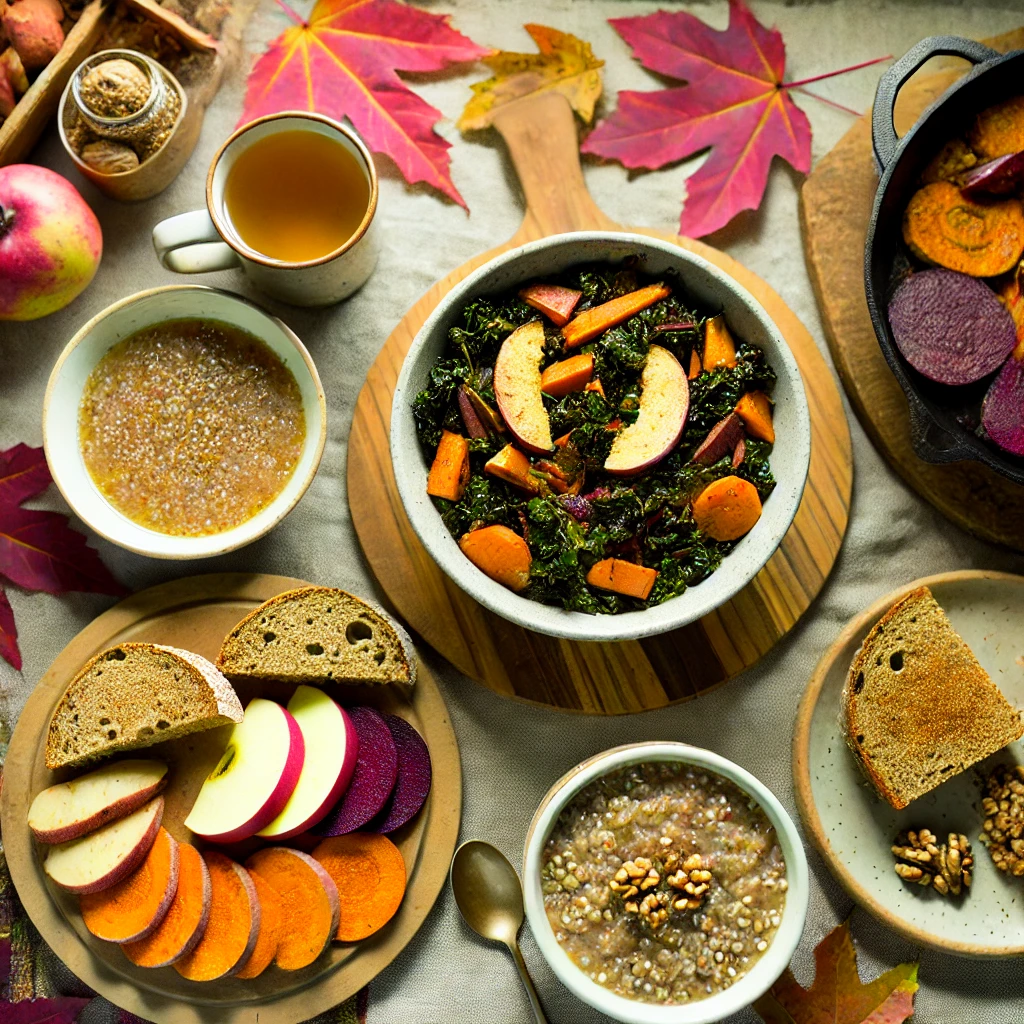
One of my favorite places to begin is with vegetables. Roasting brings out their natural sweetness, while blending cooked vegetables creates smooth, flavorful purées. Carrots, cauliflower, and winter squash offer wonderful possibilities for adding color and variety to autumn meals. In this month’s featured recipe, warm-spiced carrot purée gives the plate a silky richness with olive oil and broth.
Protein deserves a place alongside those vegetables. Chicken, fish, eggs, beans, and lentils can all contribute to satisfying meals. Try adding white beans to a vegetable soup, folding shredded chicken into a hearty stew, or serving roasted fish with seasonal vegetables.
Whole grains also fit beautifully into cool-weather cooking. Barley adds a pleasant chew to soups, while farro makes a lovely base for roasted vegetables and fresh herbs. These ingredients contribute fiber and give meals more substance.
Finally, remember how much flavor comes from good technique and simple seasonings. Browning vegetables, gently cooking onions, and finishing a dish with lemon or cider vinegar can bring everything together. Sage, thyme, ginger, and warm spices add character without requiring a heavy sauce.
My approach is simple: keep the familiar flavors you enjoy, give vegetables plenty of attention, and build variety into your meals. A nourishing autumn dinner should still feel like something you look forward to eating.
Chef Ken’s Tip: Next time you make a favorite soup or stew, add an extra vegetable or a handful of beans. Small changes can become delicious habits.

White Bean, Barley & Autumn Vegetable Soup
With Butternut Squash, Kale & Fresh Thyme

This is the kind of soup I enjoy when the evenings begin to cool. Tender white beans, barley, and colorful vegetables create a satisfying meal, while thyme and a squeeze of lemon keep the flavors bright. Blending a portion of the beans into the broth gives it a little creamy body without adding cream.

Serves 6 | Preparation: 20 minutes | Cooking: 45–50 minutes
Ingredients
• 2 tablespoons olive oil
• 1 medium yellow onion, diced
• 2 medium carrots, diced
• 2 celery stalks, diced
• 3 garlic cloves, minced
• 2 teaspoons chopped fresh thyme, or ¾ teaspoon dried
• 1 teaspoon finely chopped fresh sage, or ¼ teaspoon rubbed sage
• ½ cup pearl barley, rinsed
• 6 cups low-sodium vegetable or chicken broth, plus extra as needed
• 1 bay leaf
• 3 cups peeled butternut squash, cut into ¾-inch cubes
• 2 cans cannellini beans, 15 ounces each, drained and rinsed, divided
• 3 cups chopped kale, tough stems removed
• 1–2 tablespoons fresh lemon juice
• 2 tablespoons chopped flat-leaf parsley
• Salt and freshly ground black pepper, to taste
• Freshly grated Parmesan, optional, for serving
Method
1.Build the flavor. Heat the olive oil in a large soup pot over medium heat. Add the onion, carrots, and celery. Cook for 8–10 minutes, stirring occasionally, until softened. Add the garlic, thyme, and sage; cook for 30 seconds.

2.Start the barley. Stir in the barley, 5 cups of the broth, and the bay leaf. Bring to a boil, then reduce to a gentle simmer. Partially cover and cook for 20 minutes.

3.Add the squash. Stir in the butternut squash. Continue simmering for 15–20 minutes, until the squash is tender and the barley is pleasantly chewy. If either needs longer, continue cooking before adding the remaining ingredients.

4.Give the broth some body. Blend ¾ cup of the drained beans with the remaining 1 cup broth until smooth. Stir this mixture into the soup along with the remaining whole beans and the kale.

5.Finish gently. Simmer for another 5–8 minutes, until the kale is tender. Add more broth if you prefer a looser soup. Remove the bay leaf, then stir in 1 tablespoon lemon juice and the parsley. Taste and adjust with salt, pepper, and additional lemon juice as needed.

6.Serve. Ladle into warm bowls and finish with a little grated Parmesan, if desired.

Chef Ken’s Tip: The barley continues to absorb broth as the soup stands. When reheating, add a splash of broth or water to restore its consistency, then taste again before serving.
Nutrition Tip: Add More Berries to Your Salads This Summer

posted in: Nutrition Tips and Recipes | 0

Summer is the perfect time to take advantage of one of nature’s sweetest gifts—fresh berries. Whether it’s strawberries, blueberries, raspberries, or blackberries, they’re at their peak this time of year, making them more flavorful, more affordable, and packed with nutrition.

I love incorporating berries into salads because they add a natural sweetness that balances savory ingredients beautifully. They pair wonderfully with leafy greens like spinach, arugula, and mixed greens, but don’t stop there. Berries are also delicious tossed into grain salads featuring quinoa, farro, or brown rice. Add some toasted nuts, seeds, creamy goat cheese or feta, grilled chicken, salmon, or even shrimp, and you’ve created a colorful, satisfying meal that’s both nourishing and delicious.

Beyond their wonderful flavor, berries are rich in vitamins, minerals, fiber, and powerful antioxidants that help support heart health and protect our bodies from everyday inflammation. They’re also relatively low in calories while providing plenty of natural sweetness, making them an excellent choice for anyone looking to eat a little healthier without sacrificing taste.

Next time you’re putting together a summer salad, reach for a handful of fresh berries. They add vibrant color, wonderful texture, and a burst of seasonal flavor that’s hard to beat. Sometimes the simplest ingredients are the ones that make the biggest impression.

Summer Berry, Greens & Grain Salad

Serves: 4–6

Ingredients

For the Salad

  • 5 oz spring mix or baby spinach
  • 2 cups cooked farro or quinoa, cooled
  • 1 cup sliced strawberries
  • 1 cup blueberries
  • ½ cup raspberries
  • ½ cup toasted pecans or walnuts, roughly chopped
  • 4 oz crumbled goat cheese
  • ¼ cup thinly sliced red onion (optional)
  • ¼ cup fresh basil leaves, torn

Lemon-Honey Vinaigrette

  • ¼ cup extra virgin olive oil
  • 2 tablespoons fresh lemon juice
  • 1 tablespoon honey
  • 1 teaspoon Dijon mustard
  • Salt and freshly ground black pepper, to taste

Directions

  1. In a small bowl, whisk together the olive oil, lemon juice, honey, Dijon mustard, salt, and pepper until well combined.
  2. In a large serving bowl, combine the greens, cooked grain, strawberries, blueberries, raspberries, toasted nuts, red onion, and basil.
  3. Drizzle with the vinaigrette just before serving and gently toss until everything is lightly coated.
  4. Sprinkle the goat cheese over the top and serve immediately.

Chef Ken’s Tip: This salad is wonderful on its own, but it also pairs beautifully with grilled chicken, cedar-plank salmon, shrimp, or sliced steak. The combination of leafy greens, whole grains, fresh berries, toasted nuts, and creamy goat cheese makes it a colorful, satisfying meal that’s perfect for warm summer evenings.

Support Immunity with Colorful, Vitamin C–Rich Foods

posted in: Blog, Nutrition Tips and Recipes | 0

Support Immunity with Colorful, Vitamin C–Rich Foods

As we move through the tail end of cold and flu season, supporting the immune system becomes more than just a talking point — it becomes a daily practice. I’ve always believed that the foundation of strong immunity begins in the kitchen, not the medicine cabinet.

Colorful vegetables and fruits are rich in vitamin C, antioxidants, and phytonutrients that help reduce inflammation and support cellular defense. Dark leafy greens like kale provide vitamin K and fiber to support gut health — and a healthy gut plays a central role in immune resilience. Citrus brings brightness, hydration, and a natural boost of vitamin C. Even simple additions like toasted pumpkin or sunflower seeds contribute zinc, which is essential for immune function.

After traveling through France this winter, I was reminded how naturally balanced meals can be — fresh produce, thoughtful preparation, nothing excessive. Supporting immunity doesn’t require complicated protocols. It’s consistency, color on the plate, and real food.

Citrus Kale Salad with Toasted Seeds

Serves 4

Ingredients

1 large bunch kale, stems removed and finely sliced
1 orange, segmented
½ cup shredded carrots
¼ cup thinly sliced fennel (optional but beautiful)
2 tablespoons toasted pumpkin seeds
2 tablespoons toasted sunflower seeds

Dressing:
3 tablespoons fresh orange juice
1 tablespoon fresh lemon juice
1 teaspoon Dijon mustard
1 teaspoon honey
3 tablespoons extra virgin olive oil
Pinch sea salt
Freshly cracked pepper


Method

  1. Place kale in a large bowl. Lightly massage with a pinch of salt for 1–2 minutes to soften.

  2. Whisk dressing ingredients until emulsified.

  3. Toss kale with carrots and fennel.

  4. Gently fold in orange segments.

  5. Finish with toasted seeds and fresh pepper.

Bright, balanced, and built to nourish — exactly what we need this time of year.

Hydrate Beyond Water-Cucumber & Pear Salad with Cranberries and Pumpkin Seeds

posted in: Blog, Nutrition Tips and Recipes | 0

As the crisp days of September arrive, it’s easy to forget that hydration isn’t just a summer concern. Staying well-hydrated supports energy, digestion, and even mental clarity as routines shift into fall. Beyond simply drinking water, try adding seasonal foods with high water content like cucumbers, pears, and melons. These foods not only help replenish fluids but also deliver vitamins, minerals, and natural sweetness to your meals. A pear and cucumber salad or a chilled melon smoothie can be a refreshing way to boost hydration while embracing the flavors of the season.

Cucumber & Pear Salad with Cranberries and Pumpkin Seeds

Serves 3–4

Ingredients

  • 1 English cucumber, halved lengthwise and thinly sliced

  • 2 ripe pears, sliced into thin wedges

  • 2 Tbsp dried cranberries (unsweetened or lightly sweetened)

  • 2 Tbsp toasted pumpkin seeds (pepitas)

  • 2 Tbsp fresh mint, chopped

Dressing

  • 2 Tbsp extra-virgin olive oil

  • 1 Tbsp fresh lemon juice

  • 1 tsp honey or maple syrup

  • Pinch of sea salt and cracked black pepper

Instructions

  1. Combine cucumber, pears, cranberries, pumpkin seeds, and mint in a bowl.

  2. Whisk together dressing ingredients until smooth.

  3. Drizzle over the salad and toss gently.

  4. Serve immediately, or chill briefly for extra crispness.

Oral Health: The Key to Better Nutrition

posted in: Nutrition Tips and Recipes | 0


Good oral health is essential for overall nutrition and well-being. The ability to chew comfortably and properly is the first step in digestion, ensuring the body can break down and absorb essential nutrients from food. Poor oral health—whether from cavities, gum disease, or tooth loss—can make it difficult to eat nutrient-dense foods like fresh vegetables, lean proteins, and whole grains, leading to dietary imbalances and potential deficiencies.

A healthy mouth also supports gut health, as oral bacteria influence digestion. Harmful bacteria in the mouth can lead to inflammation and increase the risk of systemic conditions like heart disease and diabetes. Saliva, which contains essential enzymes, plays a vital role in breaking down food, so staying hydrated and eating foods that encourage saliva production is key to maintaining a balanced oral microbiome.

Recipe Tip for Oral Health: Crunchy Apple & Almond Butter Snack

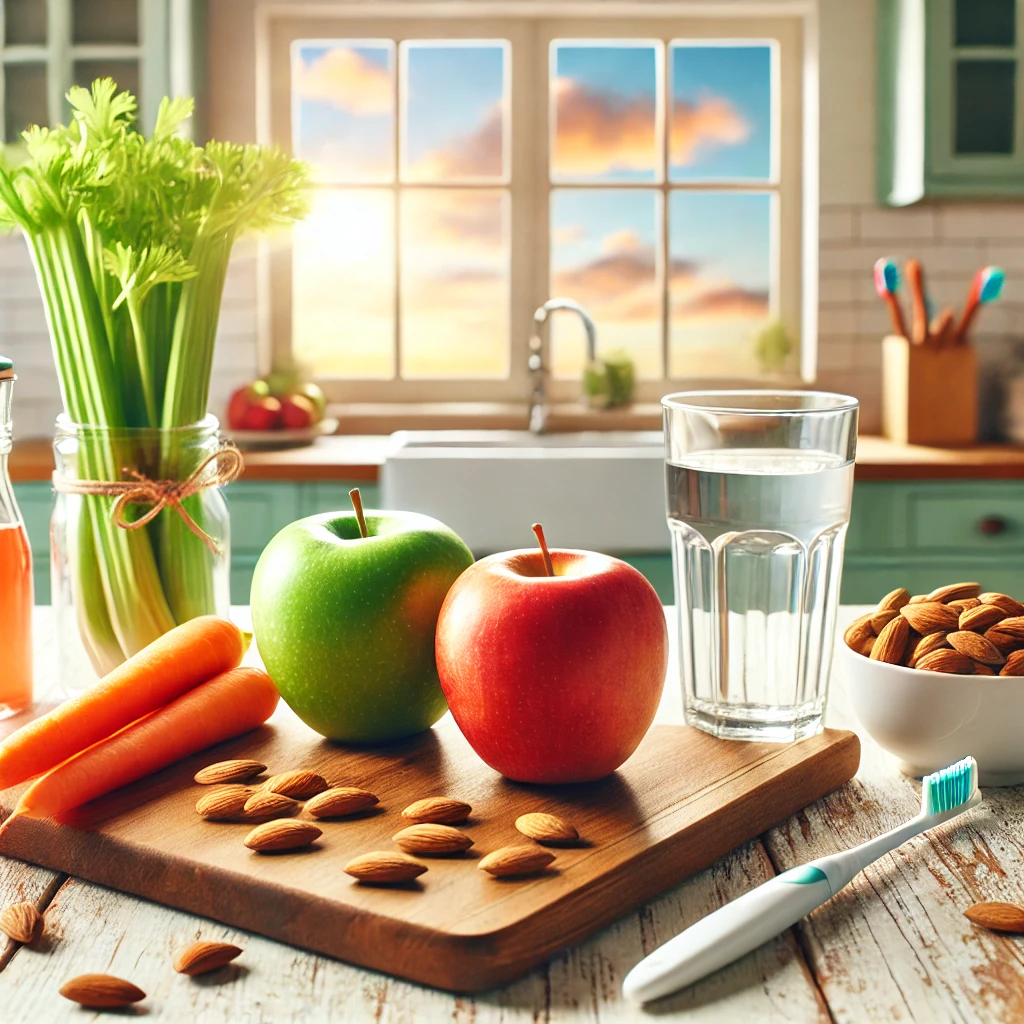
Crunchy fruits and vegetables, like apples, carrots, and celery, naturally help clean teeth by stimulating saliva production, reducing bacteria, and removing food particles. Try slicing an apple and pairing it with unsweetened almond butter and a sprinkle of cinnamon for a satisfying, nutrient-rich snack that promotes oral health while being delicious and nutritious!


Oysters: The Ultimate Aphrodisiac of the Sea

posted in: Nutrition Tips and Recipes | 0

Few foods have been as famously linked to romance and seduction as oysters. These briny delicacies have been enjoyed for centuries, not only for their luxurious texture and oceanic essence but also for their impressive nutritional benefits. Oysters are packed with zinc, an essential mineral that plays a crucial role in hormone production and libido enhancement. Just six oysters provide well over 500% of the daily recommended intake of zinc, making them one of the best natural sources.

Beyond zinc, oysters contain omega-3 fatty acids, vitamin B12, iron, and protein, all of which contribute to energy, circulation, and overall well-being—important factors for a night of passion. Casanova, the legendary 18th-century lover, is said to have consumed dozens of oysters daily to maintain his stamina, and modern science supports his choice. Whether raw or cooked, oysters remain one of nature’s most seductive superfoods.

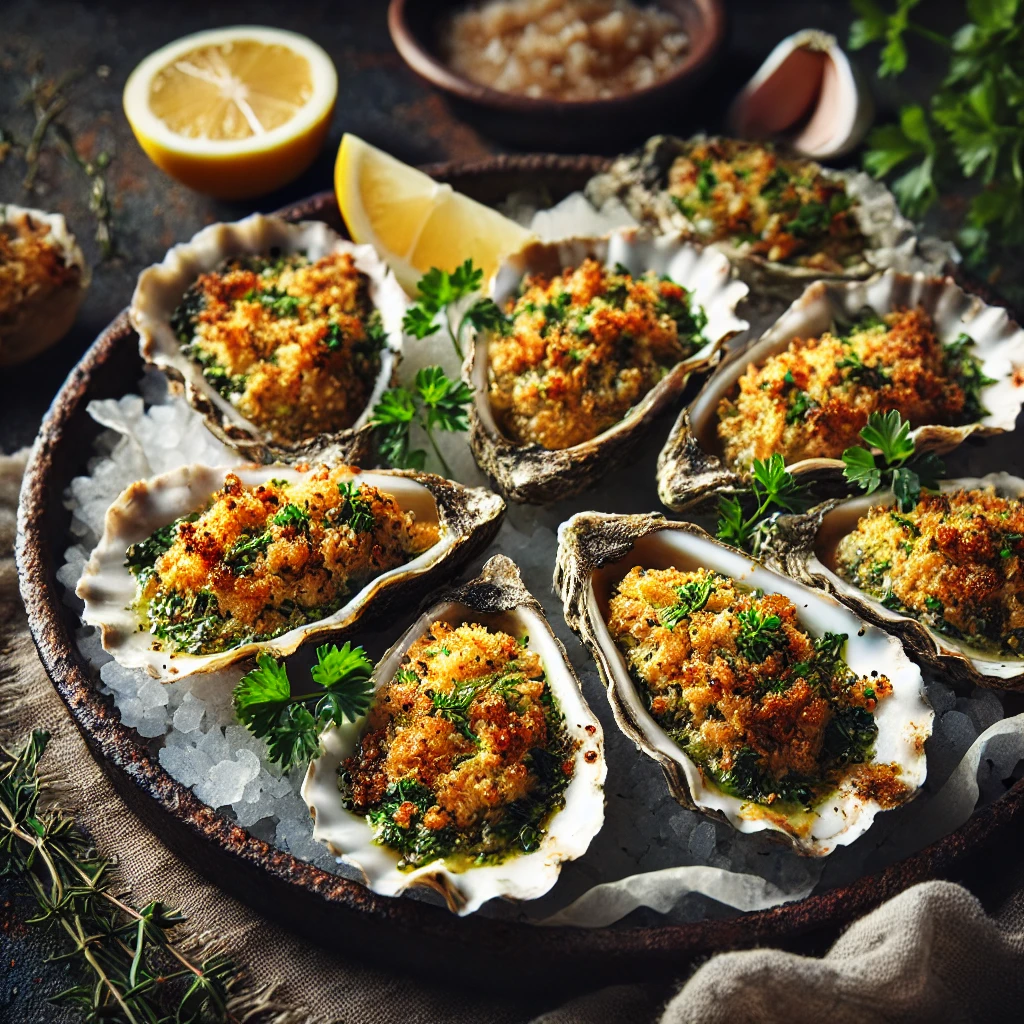
For those who prefer a more refined take, baked oysters provide a rich, warm, and indulgent experience while maintaining their aphrodisiac qualities. This Garlic Herb Baked Oyster recipe is not only healthy and nutritious but also sensually satisfying, with a crispy golden topping that enhances the natural brininess of the oysters.

Garlic Herb Baked Oysters

Ingredients:

  • 12 fresh oysters, shucked, with bottom shells intact
  • 2 tbsp extra virgin olive oil or melted butter
  • 3 cloves garlic, minced
  • 2 tbsp fresh parsley, finely chopped
  • 1 tbsp fresh chives, finely chopped
  • 1 tsp lemon zest
  • ¼ cup whole wheat or panko breadcrumbs
  • ¼ cup grated Parmesan cheese (optional)
  • ½ tsp smoked paprika
  • ¼ tsp crushed red pepper flakes (optional for heat)
  • Juice of ½ lemon
  • Sea salt & freshly ground black pepper to taste

Instructions:

  1. Preheat the oven to 425°F (218°C). Line a baking sheet with rock salt or crumpled aluminum foil to keep the oysters level.
  2. Prepare the topping: In a small bowl, mix olive oil (or butter), garlic, parsley, chives, lemon zest, breadcrumbs, Parmesan (if using), smoked paprika, red pepper flakes, salt, and black pepper. Stir until well combined.
  3. Assemble the oysters: Arrange the shucked oysters on the prepared baking sheet. Spoon about 1 teaspoon of the topping onto each oyster, pressing gently to adhere.
  4. Bake the oysters for 8-10 minutes, or until the topping is golden brown and crispy, and the oysters are just cooked through. Avoid overcooking to maintain their silky texture.
  5. Finish with lemon juice: Remove from the oven and immediately drizzle with fresh lemon juice. Serve warm with extra lemon wedges.

Indulging with Love and Health

posted in: Nutrition Tips and Recipes | 0

Valentine’s Day is the perfect time to show love, not only to your partner but also to your body. Skip the heavy, sugar-laden treats this year and opt for nutrient-rich, flavorful dishes that enhance well-being and ignite passion. Foods like passion fruit, dark chocolate, and almonds are known for their antioxidant properties and mood-boosting benefits. Passion fruit, in particular, is rich in vitamin C, which supports immune health and enhances collagen production, making it the ultimate beauty-boosting fruit. It also contains magnesium, a mineral linked to reduced stress and relaxation—perfect for a romantic evening.

Passion Fruit Dark Chocolate Mousse

Ingredients:

  • 2 ripe passion fruits (about ½ cup pulp)
  • 3 oz dark chocolate (70% cocoa), chopped
  • 1 cup almond milk (unsweetened)
  • 2 tbsp honey or maple syrup
  • 1 tsp vanilla extract
  • Pinch of sea salt
  • Whipped coconut cream and passion fruit seeds for garnish

Instructions:

  1. Scoop the pulp from the passion fruits into a small bowl and set aside.
  2. In a saucepan over low heat, combine almond milk, honey, vanilla, and a pinch of sea salt. Stir until warm but not boiling.
  3. Remove from heat, add chopped chocolate, and whisk until smooth. Allow to cool slightly.
  4. Stir in the passion fruit pulp and pour the mixture into serving glasses.
  5. Refrigerate for at least 2 hours to set.
  6. Top with whipped coconut cream and fresh passion fruit seeds before serving.

This velvety dessert is a sweet, tangy, and antioxidant-packed treat for two!

Embrace Warming, Nutrient-Dense Foods for Fall and Winter

posted in: Nutrition Tips and Recipes | 0

As the temperatures drop and days grow shorter, our bodies naturally crave comforting, warming foods to keep us energized and balanced during the colder months. Fall and winter are the perfect times to focus on nutrient-dense, seasonal ingredients that not only provide warmth but also bolster immunity and overall well-being. Here are some practical tips to help you make the most of the season while prioritizing your health.

1. Focus on Root Vegetables

Root vegetables like sweet potatoes, carrots, parsnips, and beets are fall and winter staples. These vegetables are packed with essential vitamins and minerals, including vitamin A, potassium, and fiber. They help support eye health, maintain a healthy digestive system, and provide a steady source of energy. Roast them with olive oil, herbs, and spices for a flavorful side dish, or incorporate them into soups and stews for a hearty meal.

2. Incorporate Dark Leafy Greens

Cold-weather greens like kale, Swiss chard, and collard greens thrive in the cooler months and are nutritional powerhouses. Rich in vitamins C and K, as well as antioxidants, they support immune function and bone health. Add them to soups, stir-fries, or casseroles, or enjoy them sautéed with garlic and a splash of lemon juice for a quick and nutritious side.

3. Experiment with Whole Grains

Whole grains such as farro, quinoa, and barley are excellent additions to winter meals. They provide complex carbohydrates for sustained energy, as well as fiber and B vitamins. Use them as a base for grain bowls topped with roasted vegetables and lean protein, or cook them into warming breakfast porridges with seasonal fruits and spices.

4. Highlight Seasonal Spices

Fall and winter cooking lend themselves beautifully to spices like cinnamon, nutmeg, cloves, and ginger. These spices not only enhance flavor but also offer health benefits, such as reducing inflammation and aiding digestion. Add them to baked goods, oatmeal, or savory dishes like curries and roasted vegetables.

5. Stay Hydrated with Warm Beverages

Hydration is often overlooked in colder months, but it’s just as essential as during the summer. Herbal teas, bone broths, and warm water with lemon can keep you hydrated while providing soothing warmth and additional nutrients.

By incorporating these seasonal nutrition tips into your fall and winter cooking, you’ll create meals that are both satisfying and supportive of your health during the colder months.

Warm Farro Bowl with Roasted Root Vegetables, Sautéed Greens, and Spiced Tahini Dressing

Ingredients (Serves 4)

For the Bowl:
  • 1 cup farro, rinsed
  • 3 cups vegetable broth or water
  • 2 medium carrots, peeled and cut into sticks
  • 2 medium parsnips, peeled and cut into sticks
  • 2 medium beets, peeled and cubed
  • 2 tablespoons olive oil
  • 1 teaspoon smoked paprika
  • 1/2 teaspoon ground cinnamon
  • Salt and pepper to taste
  • 4 cups dark leafy greens (kale or Swiss chard), chopped
  • 1 tablespoon olive oil (for greens)
  • 2 cloves garlic, minced
  • Juice of half a lemon
For the Spiced Tahini Dressing:
  • 1/4 cup tahini
  • 2 tablespoons fresh lemon juice
  • 1 tablespoon maple syrup
  • 1/2 teaspoon ground cumin
  • 1/4 teaspoon ground cinnamon
  • 1 small clove garlic, minced or grated
  • 3–4 tablespoons warm water (adjust for desired consistency)
  • Salt to taste

Instructions

  1. Cook the Farro:
    • In a medium pot, combine farro and vegetable broth (or water). Bring to a boil, then reduce heat to low, cover, and simmer for 25–30 minutes, or until tender. Drain any excess liquid and set aside.
  2. Roast the Root Vegetables:
    • Preheat your oven to 400°F (200°C).
    • Place carrots, parsnips, and beets on a large baking sheet. Drizzle with olive oil and sprinkle with smoked paprika, cinnamon, salt, and pepper. Toss to coat evenly.
    • Roast for 25–30 minutes, stirring halfway, until tender and slightly caramelized.
  3. Sauté the Greens:
    • Heat 1 tablespoon of olive oil in a large skillet over medium heat. Add minced garlic and sauté for 30 seconds until fragrant.
    • Add the chopped greens and cook, stirring occasionally, for 3–5 minutes, or until wilted. Squeeze lemon juice over the greens and season with salt. Remove from heat.
  4. Prepare the Spiced Tahini Dressing:
    • In a small bowl, whisk together tahini, lemon juice, maple syrup, cumin, cinnamon, and minced garlic. Gradually whisk in warm water, one tablespoon at a time, until the dressing reaches your desired consistency—season with salt to taste.
  5. Assemble the Bowls:
    • Divide the cooked farro among four bowls. Top with roasted root vegetables and sautéed greens.
    • Drizzle generously with the spiced tahini dressing. Serve warm and enjoy!

Nutritional Information per Serving for Warm Farro Bowl

  • Calories: 264 kcal
  • Protein: 9.3 g
  • Fat: 4.7 g
  • Carbohydrates: 49.3 g
  • Fiber: 8.1 g

Boost Immunity with Vitamin C-Rich Foods This Fall

posted in: Blog, Nutrition Tips and Recipes | 0

As the cooler months roll in and the days get shorter, our immune systems can often take a hit, leaving us more susceptible to seasonal illnesses. One of the best ways to fortify your body’s defenses is by incorporating foods rich in Vitamin C. This essential nutrient plays a key role in maintaining healthy skin, promoting collagen production, and most importantly, supporting immune function. Fortunately, fall offers a bounty of fresh produce packed with Vitamin C, including citrus fruits, bell peppers, and hearty greens like kale.

Incorporating these foods into your daily meals not only helps your body ward off colds and infections but also provides a powerful dose of antioxidants. Vitamin C acts as a natural antihistamine, helping to reduce symptoms of allergies and respiratory conditions that can flare up during seasonal changes. By adding colorful, Vitamin C-packed ingredients to your fall dishes, you’re taking proactive steps toward feeling your best, all while enjoying the delicious flavors of the season.

Additionally, Vitamin C has been shown to enhance the absorption of iron from plant-based sources, which is vital for maintaining energy levels during the colder months. When combined with foods high in iron, like spinach or legumes, a diet rich in Vitamin C can help prevent fatigue and promote overall vitality. This is especially beneficial as the days grow shorter and we look for ways to stay energized and healthy.

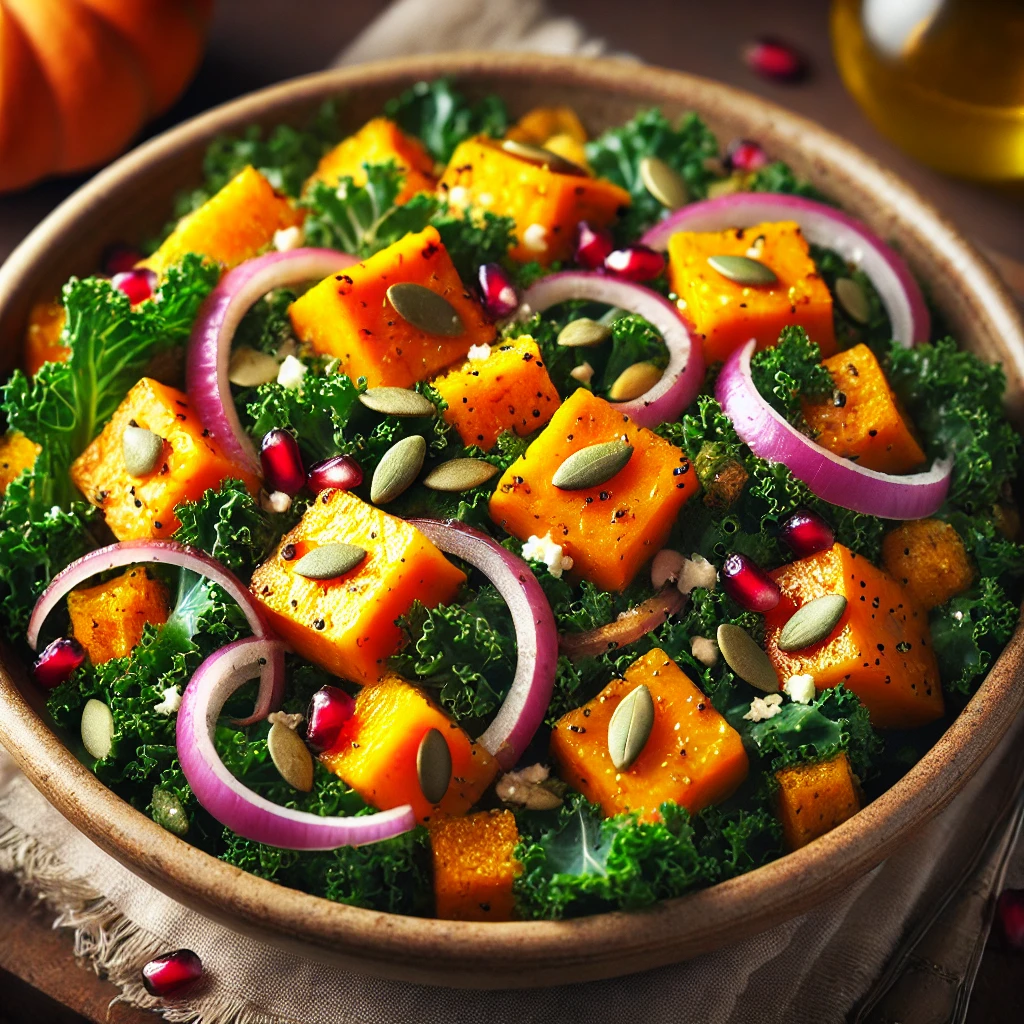
To maximize your intake of Vitamin C this fall, consider adding a mix of sweet and savory dishes that highlight seasonal produce. A simple yet nutritious way to do this is with a vibrant roasted butternut squash and kale salad, paired with a zesty citrus vinaigrette. This dish not only bursts with flavor but also delivers a satisfying crunch and a nutritional punch that will leave you feeling fortified.


Roasted Butternut Squash and Kale Salad with Citrus Vinaigrette

Ingredients:

– For the Salad:
– 1 medium butternut squash, peeled and cubed (about 4 cups)
– 2 tablespoons olive oil
– Salt and black pepper to taste
– 6 cups fresh kale, stems removed and leaves torn into bite-sized pieces
– 1 red bell pepper, thinly sliced
– 1 orange, peeled and segmented
– 1/4 cup pomegranate seeds
– 1/4 cup toasted sunflower seeds or pumpkin seeds

– For the Citrus Vinaigrette:
– Juice of 1 large orange (about 1/4 cup)
– Juice of 1 lemon (about 2 tablespoons)
– 1 tablespoon Dijon mustard
– 1 tablespoon honey or maple syrup
– 1/4 cup olive oil
– Salt and black pepper to taste

Instructions:

1. Roast the Butternut Squash:
– Preheat your oven to 400°F (200°C).
– Toss the cubed butternut squash with olive oil, salt, and black pepper, then spread it out in a single layer on a baking sheet.
– Roast for 25-30 minutes, turning halfway through, until the squash is golden brown and tender. Set aside to cool slightly.

2. Prepare the Kale:
– While the squash is roasting, massage the kale with a small amount of olive oil and a pinch of salt. Use your hands to rub the oil into the leaves for about 1-2 minutes. This helps to soften the kale and improve its texture.

3. Make the Citrus Vinaigrette:
– In a small bowl, whisk together the orange juice, lemon juice, Dijon mustard, honey, salt, and pepper. Slowly drizzle in the olive oil while continuing to whisk until the dressing is well combined and slightly thickened.

4. Assemble the Salad:
– In a large serving bowl, combine the massaged kale, roasted butternut squash, red bell pepper slices, orange segments, and pomegranate seeds.
– Drizzle the salad with the citrus vinaigrette and toss gently to combine.

5. Serve:
– Sprinkle the toasted sunflower or pumpkin seeds on top just before serving for added crunch and nutrition.
– Enjoy the salad warm or at room temperature.


Mango-Coconut Chia Pudding

posted in: Blog, Nutrition Tips and Recipes | 0

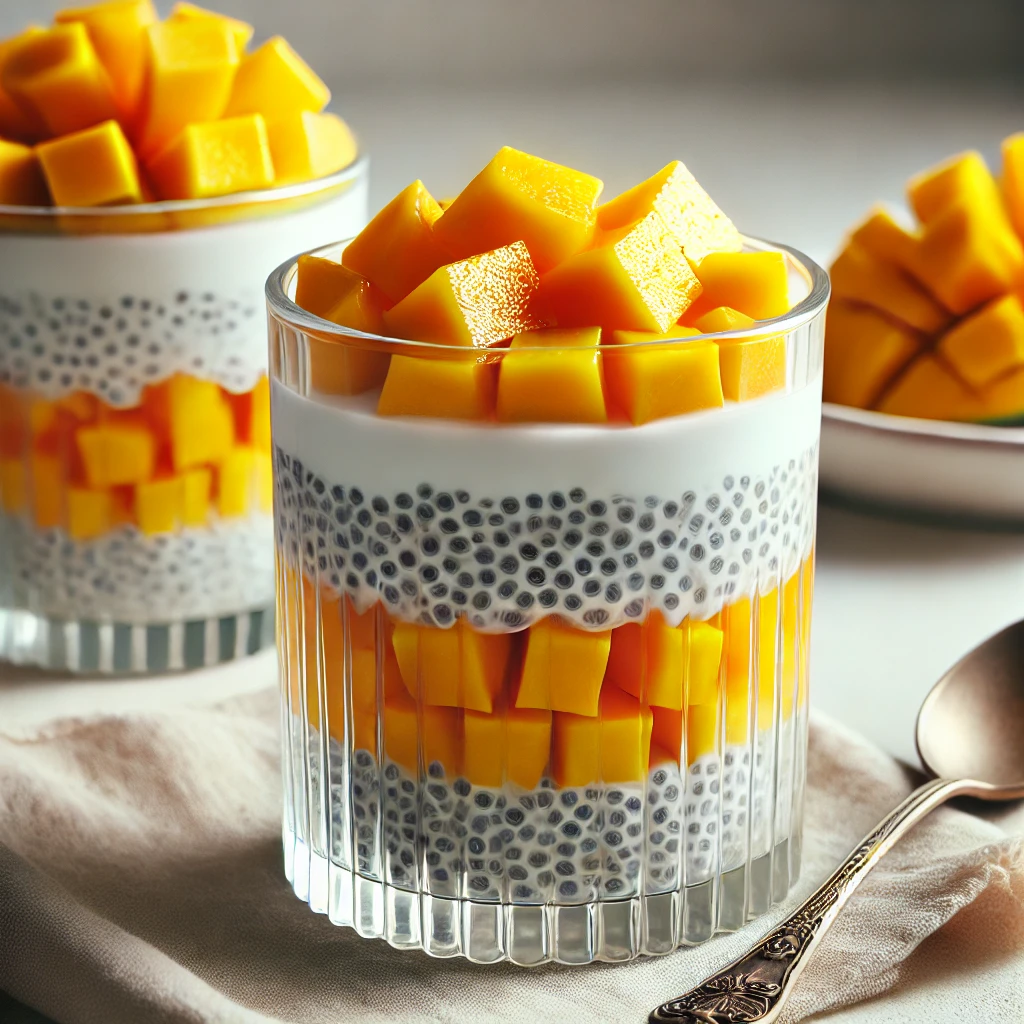
The Mango-Coconut Chia Pudding is a simple yet delightful treat that embodies the essence of tropical flavors while being gentle on the digestive system. The creamy coconut milk paired with the crunchy chia seeds creates a satisfying texture, while the ripe mango adds a burst of natural sweetness. This recipe is not only delicious but also packed with nutrients, making it a perfect choice for those looking to enjoy a dessert that’s both indulgent and health-conscious. The chia seeds provide a good source of fiber and omega-3 fatty acids, supporting gut health, while the coconut milk offers healthy fats that are easy on the stomach.

Originally intended for the dessert section of Chef Ken’s book, *Comfort and Healing for Gastritis Management, Nutrition-Packed Recipes for Gut Wellness*, this recipe was crafted to offer a soothing and nourishing option for those managing digestive issues. Although it didn’t make it into the final publication due to its similarity to another recipe, it remains a favorite for its simplicity and the way it encapsulates the book’s focus on comfort and healing through food. Whether enjoyed as a breakfast treat or a light dessert, this Mango-Coconut Chia Pudding is a reminder that healthy eating can also be deliciously satisfying.

If you know someone who might need some Comfort and Healing here is the link to Chef Ken’s book.


Mango-Coconut Chia Pudding

Serves 2

Ingredients
• ¼ cup chia seeds
• 1 cup coconut milk
• 1 ripe mango
• 1 Tablespoon maple syrup

Instructions
1. Mix chia seeds and coconut milk. Allow the mixture to sit for 10 minutes.
2. Layer with diced mango in a glass
3. Drizzled with maple syrup.