Prep Components, Not Full Meals

posted in: Balanced Meal Planning Tips, Blog | 0

Prep Components, Not Full Meals

One of the biggest misconceptions about meal prep is that everything must be fully cooked, portioned, and locked into containers for the week. For busy families, that can feel overwhelming. Instead, I encourage prepping components — not complete meals.

Wash and dry your greens. Roast a tray of seasonal vegetables. Cook a simple protein like lemon-herb chicken or baked salmon. Prepare a pot of quinoa or brown rice. Store everything separately. This creates flexibility. On Monday, those ingredients might become grain bowls. On Wednesday, they turn into wraps. By Friday, they’re tucked into a soup or tossed with fresh greens.

During my years cooking professionally — and even watching home cooks in France — I’ve seen that balance isn’t about rigidity. It’s about structure with freedom. When the building blocks are ready, nourishing meals come together quickly, calmly, and without stress.

Simple Weekly Component Prep Plan

Roasted Seasonal Vegetables
(Carrot, zucchini, red onion, broccoli)

Ingredients
4 cups mixed vegetables, cut evenly
2 tablespoons olive oil
Salt and pepper

Roast at 400°F for 20–25 minutes until tender and lightly caramelized.


Lemon-Herb Chicken Breasts

Ingredients
4 boneless skinless chicken breasts
2 tablespoons olive oil
Zest of 1 lemon
1 teaspoon dried thyme
Salt and pepper

Roast at 400°F for 20–25 minutes to 165°F internal temperature. Rest and slice.


Basic Quinoa

1 cup quinoa
2 cups water or broth

Simmer 15 minutes. Rest 5 minutes. Fluff.


How to Use It

• Grain bowl with vegetables, chicken, and citrus vinaigrette
• Whole-grain wraps with greens and yogurt sauce
• Quick weeknight soup with broth and fresh herbs

Balanced. Flexible. Thoughtful — the way real kitchens operate.

Support Immunity with Colorful, Vitamin C–Rich Foods

posted in: Blog, Nutrition Tips and Recipes | 0

Support Immunity with Colorful, Vitamin C–Rich Foods

As we move through the tail end of cold and flu season, supporting the immune system becomes more than just a talking point — it becomes a daily practice. I’ve always believed that the foundation of strong immunity begins in the kitchen, not the medicine cabinet.

Colorful vegetables and fruits are rich in vitamin C, antioxidants, and phytonutrients that help reduce inflammation and support cellular defense. Dark leafy greens like kale provide vitamin K and fiber to support gut health — and a healthy gut plays a central role in immune resilience. Citrus brings brightness, hydration, and a natural boost of vitamin C. Even simple additions like toasted pumpkin or sunflower seeds contribute zinc, which is essential for immune function.

After traveling through France this winter, I was reminded how naturally balanced meals can be — fresh produce, thoughtful preparation, nothing excessive. Supporting immunity doesn’t require complicated protocols. It’s consistency, color on the plate, and real food.

Citrus Kale Salad with Toasted Seeds

Serves 4

Ingredients

1 large bunch kale, stems removed and finely sliced
1 orange, segmented
½ cup shredded carrots
¼ cup thinly sliced fennel (optional but beautiful)
2 tablespoons toasted pumpkin seeds
2 tablespoons toasted sunflower seeds

Dressing:
3 tablespoons fresh orange juice
1 tablespoon fresh lemon juice
1 teaspoon Dijon mustard
1 teaspoon honey
3 tablespoons extra virgin olive oil
Pinch sea salt
Freshly cracked pepper


Method

  1. Place kale in a large bowl. Lightly massage with a pinch of salt for 1–2 minutes to soften.

  2. Whisk dressing ingredients until emulsified.

  3. Toss kale with carrots and fennel.

  4. Gently fold in orange segments.

  5. Finish with toasted seeds and fresh pepper.

Bright, balanced, and built to nourish — exactly what we need this time of year.

Cook Once, Eat Twice

posted in: Balanced Meal Planning Tips, Blog | 0

Cook Once, Eat Twice
One of the easiest ways to simplify meal planning — while saving both time and money — is to intentionally cook for more than one meal. Instead of thinking of leftovers as “the same meal again,” look at them as building blocks for something new. For example, roasting extra chicken on Sunday can serve as a hearty dinner and then become the protein for a fresh salad, wrap, or grain bowl later in the week. The same goes for cooking extra whole grains, beans, or roasted vegetables. By planning with a little foresight, you’ll minimize food waste, reduce time in the kitchen, and keep your meals varied and exciting.

Lemon Herb Roasted Chicken → Two Ways

Serves 4–6

Ingredients

  • 2 lbs bone-in, skin-on chicken thighs

  • 2 Tbsp olive oil

  • 2 cloves garlic, minced

  • 1 Tbsp lemon zest

  • 2 Tbsp lemon juice

  • 2 tsp dried oregano

  • 1 tsp salt, ½ tsp black pepper

Instructions

  1. Preheat oven to 400°F (200°C).

  2. Mix olive oil, garlic, lemon zest, lemon juice, oregano, salt, and pepper. Rub evenly over chicken.

  3. Roast on a lined sheet pan for 35–40 minutes, until golden and cooked through (165°F internal temp).

Meal One: Serve hot with steamed vegetables and quinoa.
Meal Two: Shred leftover chicken and toss with arugula, cherry tomatoes, cucumbers, and a light vinaigrette for a next-day salad or wrap filling.


Hydrate Beyond Water-Cucumber & Pear Salad with Cranberries and Pumpkin Seeds

posted in: Blog, Nutrition Tips and Recipes | 0

As the crisp days of September arrive, it’s easy to forget that hydration isn’t just a summer concern. Staying well-hydrated supports energy, digestion, and even mental clarity as routines shift into fall. Beyond simply drinking water, try adding seasonal foods with high water content like cucumbers, pears, and melons. These foods not only help replenish fluids but also deliver vitamins, minerals, and natural sweetness to your meals. A pear and cucumber salad or a chilled melon smoothie can be a refreshing way to boost hydration while embracing the flavors of the season.

Cucumber & Pear Salad with Cranberries and Pumpkin Seeds

Serves 3–4

Ingredients

  • 1 English cucumber, halved lengthwise and thinly sliced

  • 2 ripe pears, sliced into thin wedges

  • 2 Tbsp dried cranberries (unsweetened or lightly sweetened)

  • 2 Tbsp toasted pumpkin seeds (pepitas)

  • 2 Tbsp fresh mint, chopped

Dressing

  • 2 Tbsp extra-virgin olive oil

  • 1 Tbsp fresh lemon juice

  • 1 tsp honey or maple syrup

  • Pinch of sea salt and cracked black pepper

Instructions

  1. Combine cucumber, pears, cranberries, pumpkin seeds, and mint in a bowl.

  2. Whisk together dressing ingredients until smooth.

  3. Drizzle over the salad and toss gently.

  4. Serve immediately, or chill briefly for extra crispness.

France on a Fork: A Culinary Adventure

posted in: Blog | 0

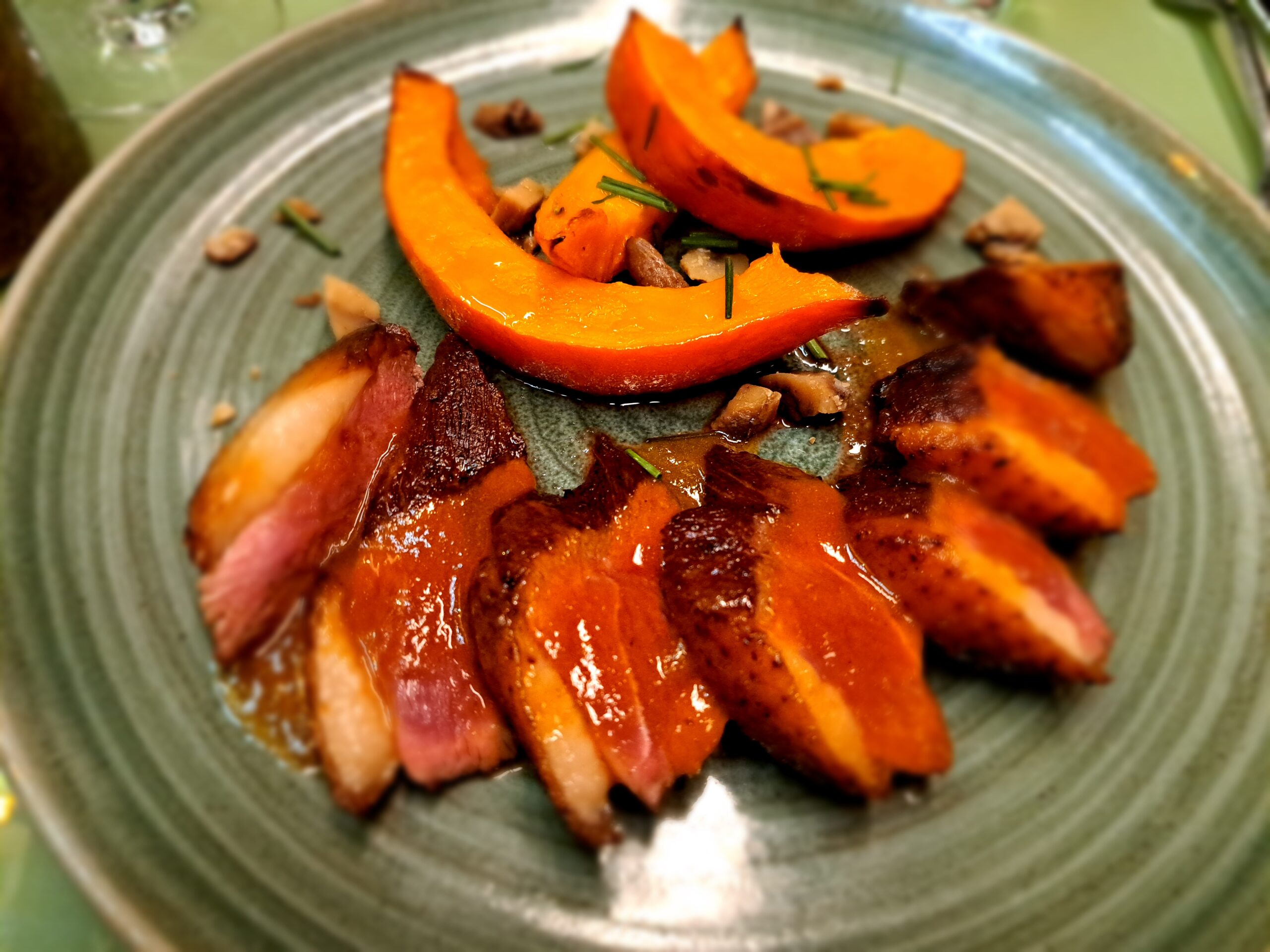
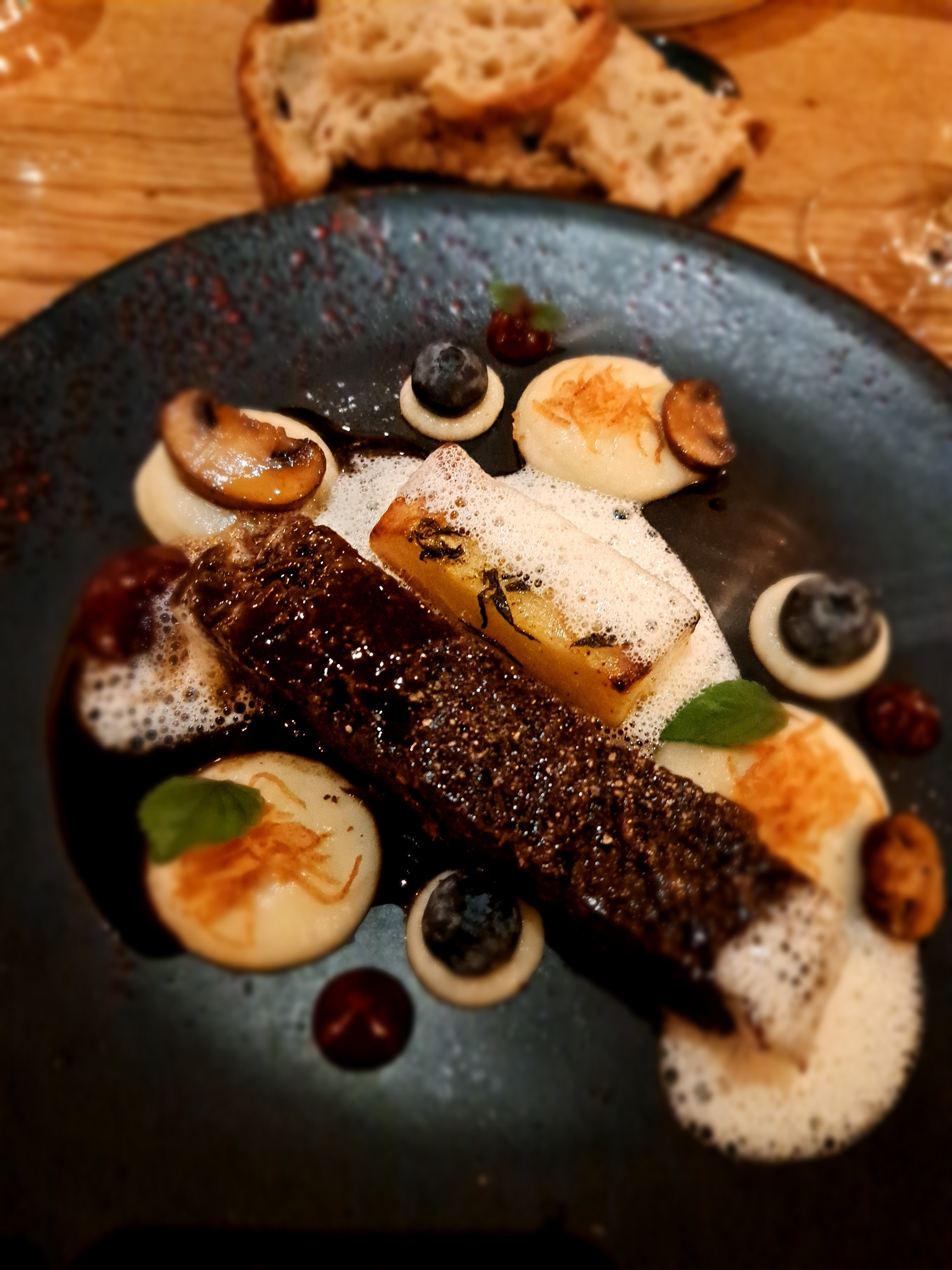
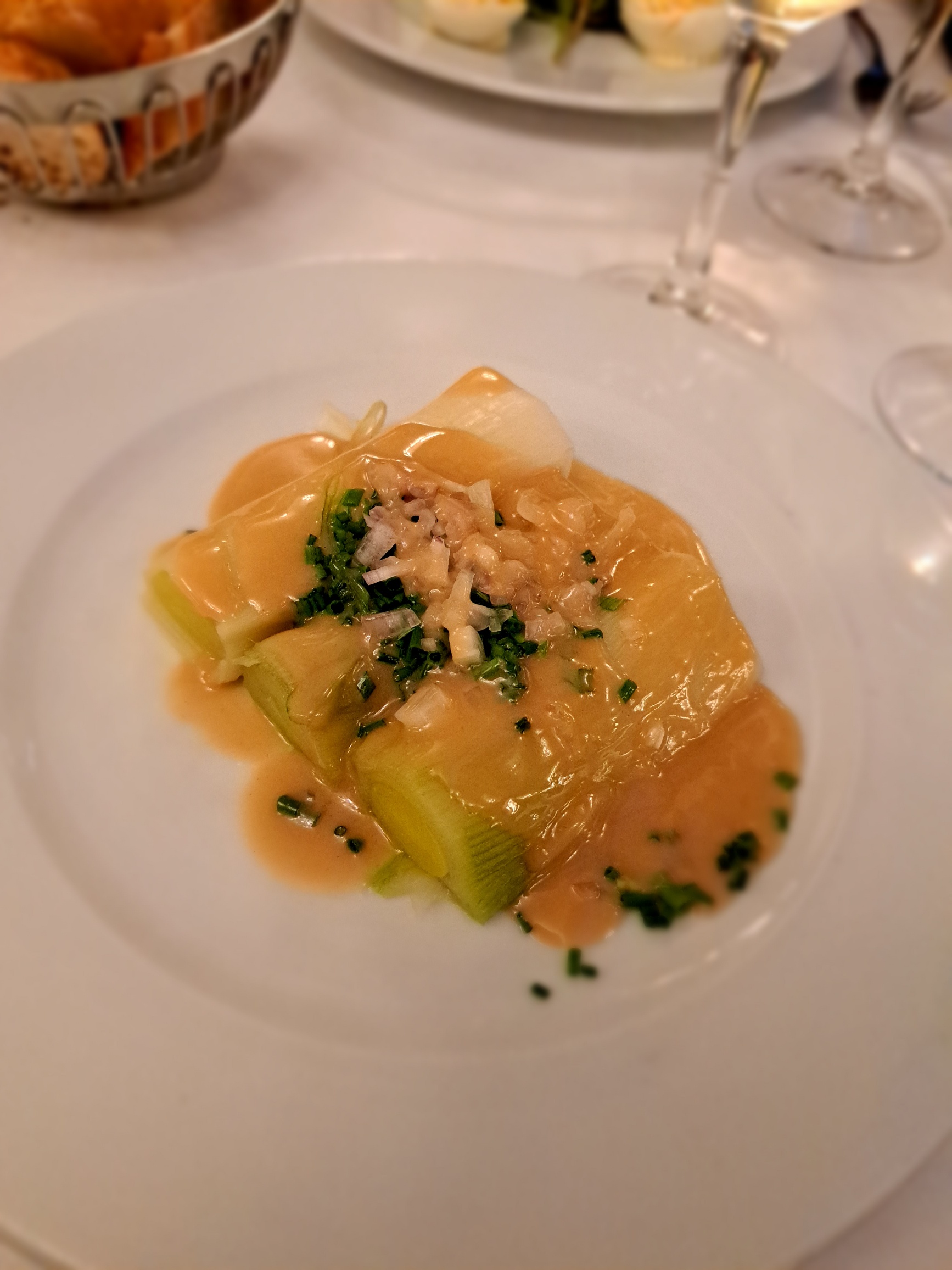
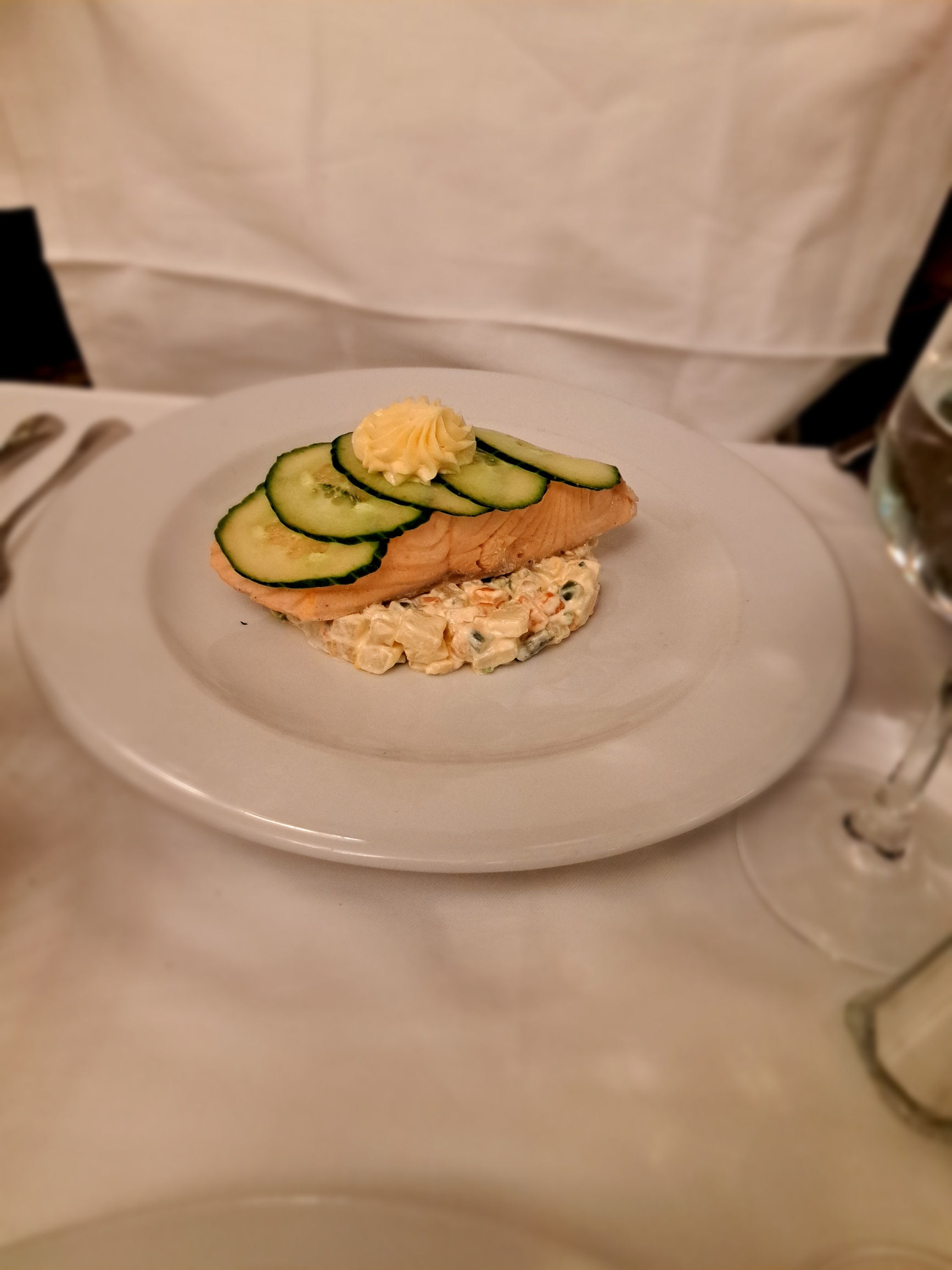
What can I say but WOW! This trip to France was nothing short of extraordinary, and the memories are etched in my heart forever. First and foremost, I owe it all to my wife, Arika. Her meticulous planning made this journey seamless and stress-free. Every hotel was perfectly situated, just a 15-minute walk from the train stations, making our transitions from one city to the next effortless. She even pre-arranged lunch and dinner reservations for every stop along the way—allowing us to simply show up and immerse ourselves in the magic of French cuisine.

Our itinerary was ambitious but thrilling: Lille, Rouen, Rennes, Bordeaux, Périgueux, and Paris. Six cities in two weeks—a whirlwind of sights, tastes, and experiences. Despite the pace, we packed light and established a travel routine that worked beautifully, letting us explore each destination with ease and excitement.

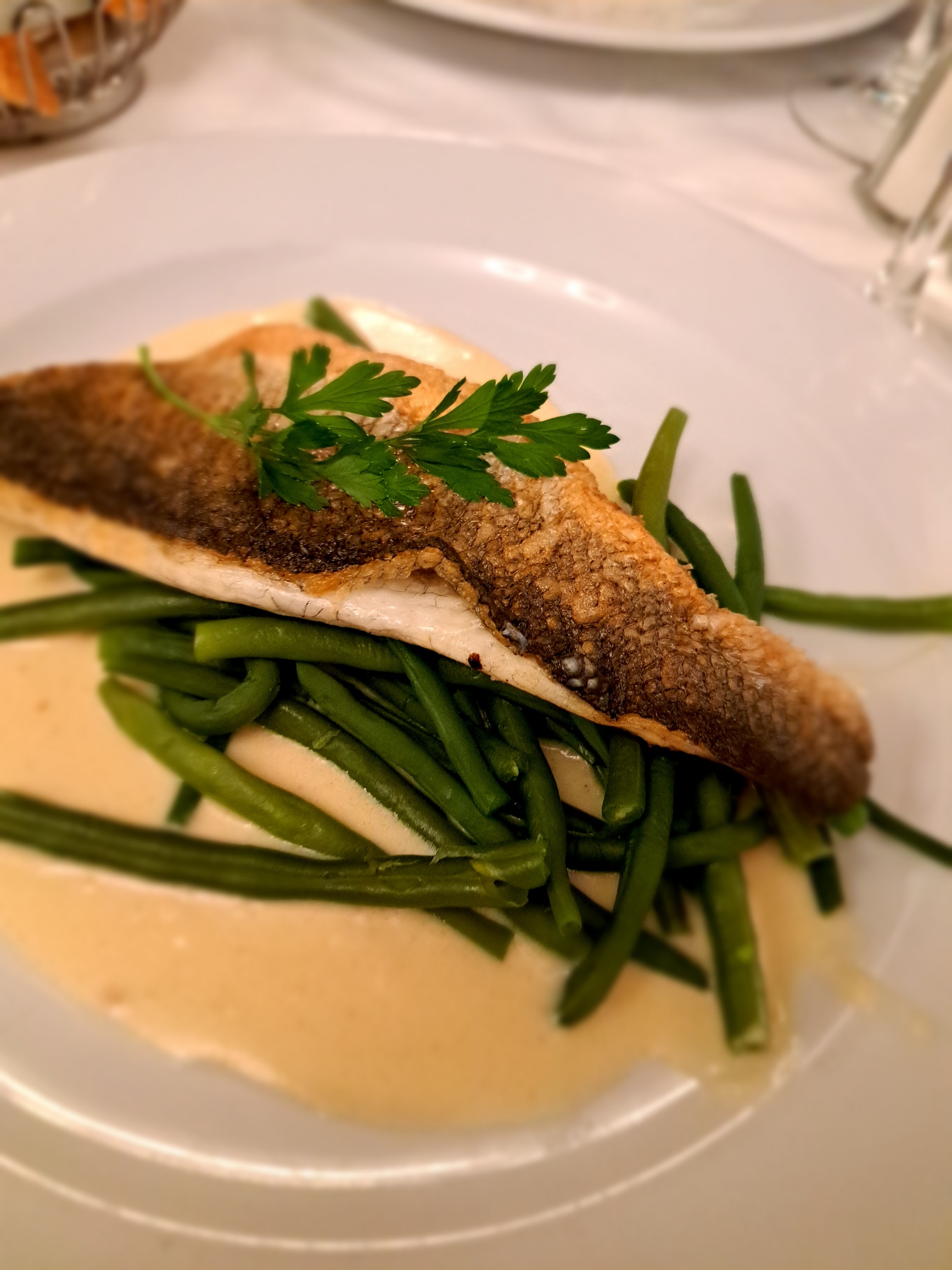
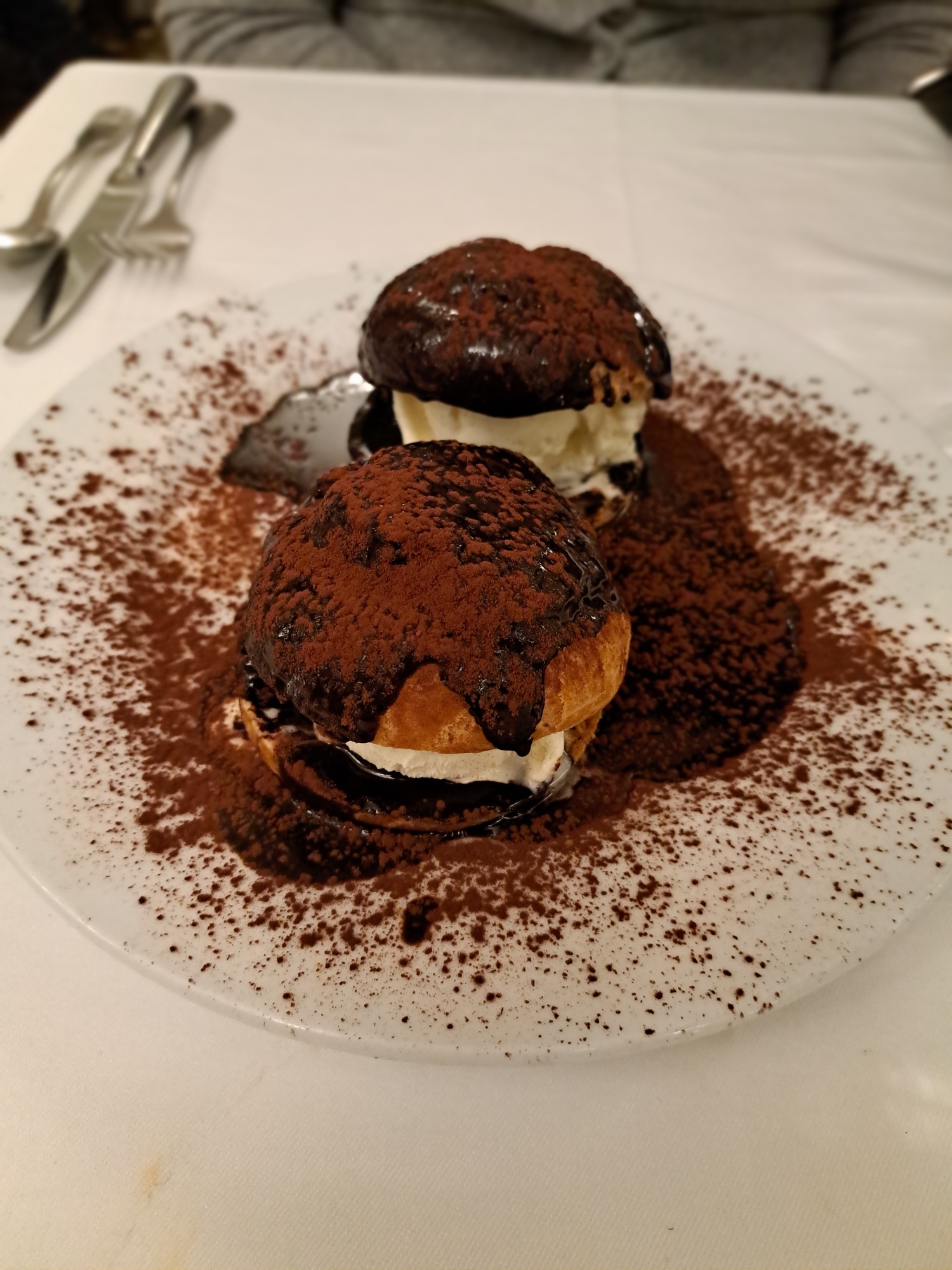
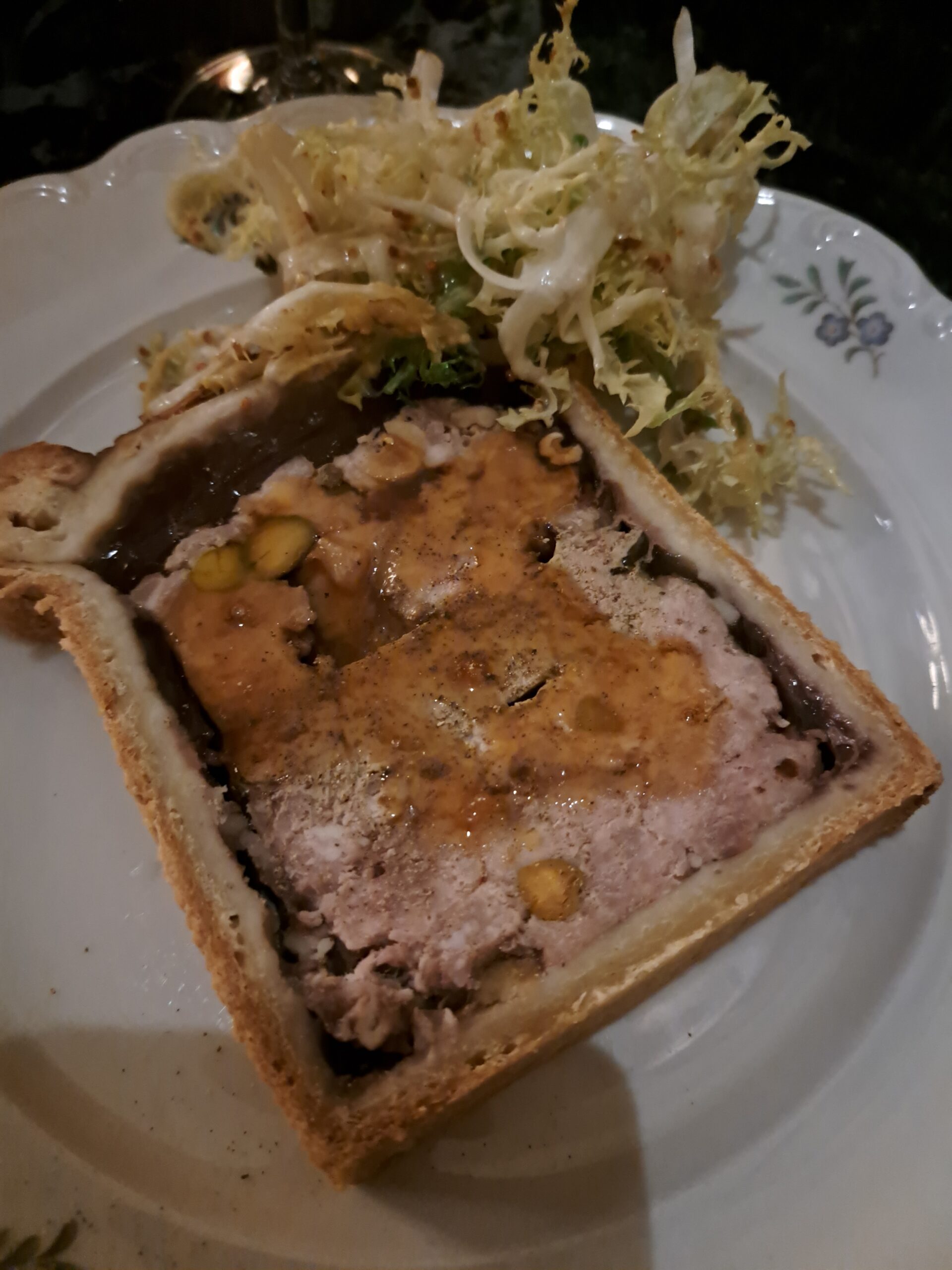
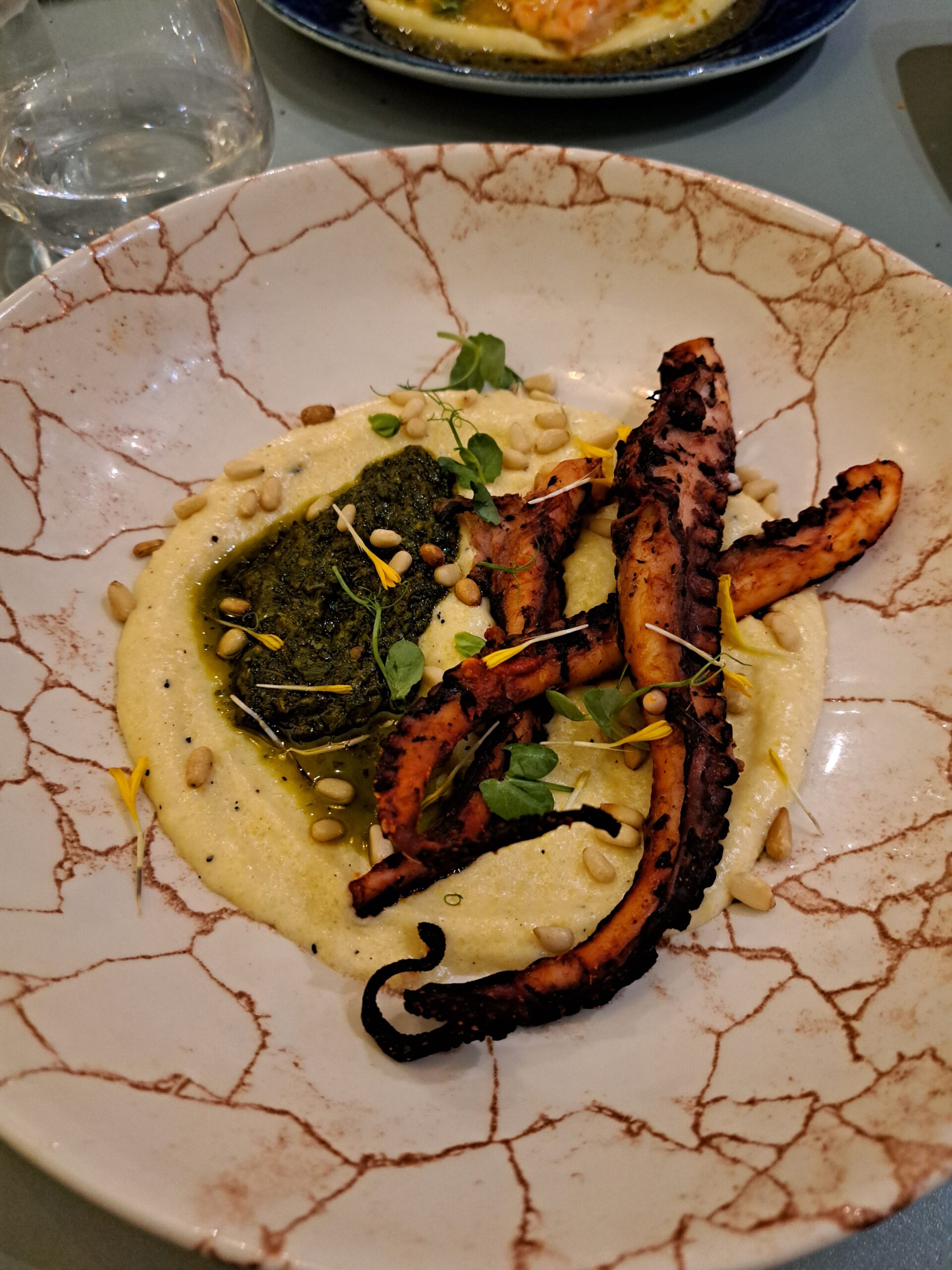
The food… oh, the food! It’s hard to put into words how extraordinary it was. From the creamiest scrambled eggs that melted in my mouth to dishes plated like works of art, complete with edible seafoam—it was a sensory feast. I took photos of every single dish we enjoyed, unable to resist documenting the stunning presentations. Initially, I indulged fully, savoring three-course meals for lunch and dinner, accompanied by a glass of wine at every turn (Arika doesn’t drink, so I took on the responsibility solo!). But as the days went on, I found myself needing to dial it back and adjust my approach to fully enjoy the journey without overindulgence.

Of course, not every meal was perfect, and I’ll touch on the one disappointment another time. But overall, the excitement of seeing each plate arrive, analyzing the presentation, and savoring every bite filled me with inspiration. This trip wasn’t just a vacation—it was research for my next project: a cookbook I’m thrilled to announce, France on a Fork. Set to publish in 2025, this book will capture my favorite dishes from the trip, recreating them for a new audience while staying true to the essence of French culinary art.

Here, I’ve included just a handful of the many photos I took during this incredible journey. I can’t wait to share my interpretations of both classic and modern French dishes in the months ahead.

Bon appétit,
Ken


4o

Batch Cooking and Freezing Soups and Stews: A Time-Saving, Nutritious Solution for Busy Fall Days

posted in: Balanced Meal Planning Tips, Blog | 0


As the crisp autumn air sets in, there’s nothing more comforting than a warm, hearty bowl of soup or stew. However, with the demands of a busy lifestyle, preparing meals every day can feel overwhelming. That’s where batch cooking and freezing come in, providing a simple, efficient way to ensure you always have a nourishing, homemade meal ready to go. By dedicating one afternoon to cooking, you can make large portions of soups and stews, which freeze beautifully and reheat in minutes—perfect for those chilly October evenings when you need something quick and satisfying.

The beauty of batch-cooking soups and stews is that these dishes often taste even better after freezing, as the flavors meld together over time. When you prepare a large pot of soup or stew, you can portion it into freezer-friendly containers or bags, making it easy to grab exactly what you need for a quick meal. This method not only saves you valuable time but also helps reduce food waste, as you’re cooking in bulk and using ingredients efficiently.

Additionally, batch cooking offers a wonderful opportunity to boost your nutrition. Hearty soups and stews can be packed with vegetables, lean proteins, legumes, and whole grains, ensuring that each meal is both nourishing and satisfying. By incorporating seasonal ingredients like root vegetables, kale, and beans, you can create nutrient-dense meals that are rich in fiber, vitamins, and minerals. Simply defrost, reheat, and you’ve got a wholesome meal that supports your health and well-being throughout the busy week.

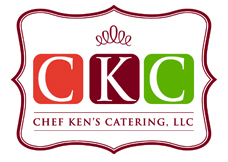
This fall, embrace batch cooking as your go-to meal prep strategy. Not only will it save you from the stress of daily cooking, but it also guarantees that you’ll always have a delicious, healthy option ready whenever you need it. Start by preparing a versatile soup or stew recipe that freezes well and is packed with autumn flavors, like the following **Hearty Lentil and Vegetable Stew**.

Hearty Lentil and Vegetable Stew

Ingredients:
– 1 tablespoon olive oil
– 1 large onion, diced
– 3 cloves garlic, minced
– 2 carrots, peeled and sliced
– 2 celery stalks, diced
– 1 large sweet potato, peeled and cubed
– 1 cup dried lentils, rinsed
– 1 can (14.5 oz) diced tomatoes
– 4 cups vegetable broth
– 2 cups water
– 1 teaspoon cumin
– 1 teaspoon smoked paprika
– 1/2 teaspoon thyme
– 2 bay leaves
– Salt and pepper to taste
– 2 cups kale, stems removed and chopped
– 1 tablespoon lemon juice
– Fresh parsley, chopped (optional)

Instructions:

1. Sauté Vegetables:
– Heat the olive oil in a large pot over medium heat. Add the diced onion, garlic, carrots, and celery. Sauté for about 5 minutes, or until the vegetables soften and the onion becomes translucent.

2. Add Sweet Potato and Lentils:
– Stir in the sweet potato cubes and lentils, allowing them to cook for an additional 2-3 minutes.

3. Add Tomatoes and Broth:
– Pour in the diced tomatoes, vegetable broth, and water. Stir in the cumin, smoked paprika, thyme, and bay leaves. Season with salt and pepper to taste.

4. Simmer:
– Bring the stew to a boil, then reduce the heat to low. Cover and let it simmer for 30-35 minutes, or until the lentils and sweet potatoes are tender.

5. Add Kale and Lemon Juice:
– Stir in the chopped kale and let it cook for another 5 minutes, just until the kale wilts. Remove from heat and add a squeeze of lemon juice for brightness.

6. Serve or Freeze:
– If serving immediately, ladle the stew into bowls and garnish with fresh parsley. To freeze, let the stew cool completely before transferring to freezer-safe containers. Label with the date and freeze for up to 3 months.

 

Boost Immunity with Vitamin C-Rich Foods This Fall

posted in: Blog, Nutrition Tips and Recipes | 0

As the cooler months roll in and the days get shorter, our immune systems can often take a hit, leaving us more susceptible to seasonal illnesses. One of the best ways to fortify your body’s defenses is by incorporating foods rich in Vitamin C. This essential nutrient plays a key role in maintaining healthy skin, promoting collagen production, and most importantly, supporting immune function. Fortunately, fall offers a bounty of fresh produce packed with Vitamin C, including citrus fruits, bell peppers, and hearty greens like kale.

Incorporating these foods into your daily meals not only helps your body ward off colds and infections but also provides a powerful dose of antioxidants. Vitamin C acts as a natural antihistamine, helping to reduce symptoms of allergies and respiratory conditions that can flare up during seasonal changes. By adding colorful, Vitamin C-packed ingredients to your fall dishes, you’re taking proactive steps toward feeling your best, all while enjoying the delicious flavors of the season.

Additionally, Vitamin C has been shown to enhance the absorption of iron from plant-based sources, which is vital for maintaining energy levels during the colder months. When combined with foods high in iron, like spinach or legumes, a diet rich in Vitamin C can help prevent fatigue and promote overall vitality. This is especially beneficial as the days grow shorter and we look for ways to stay energized and healthy.

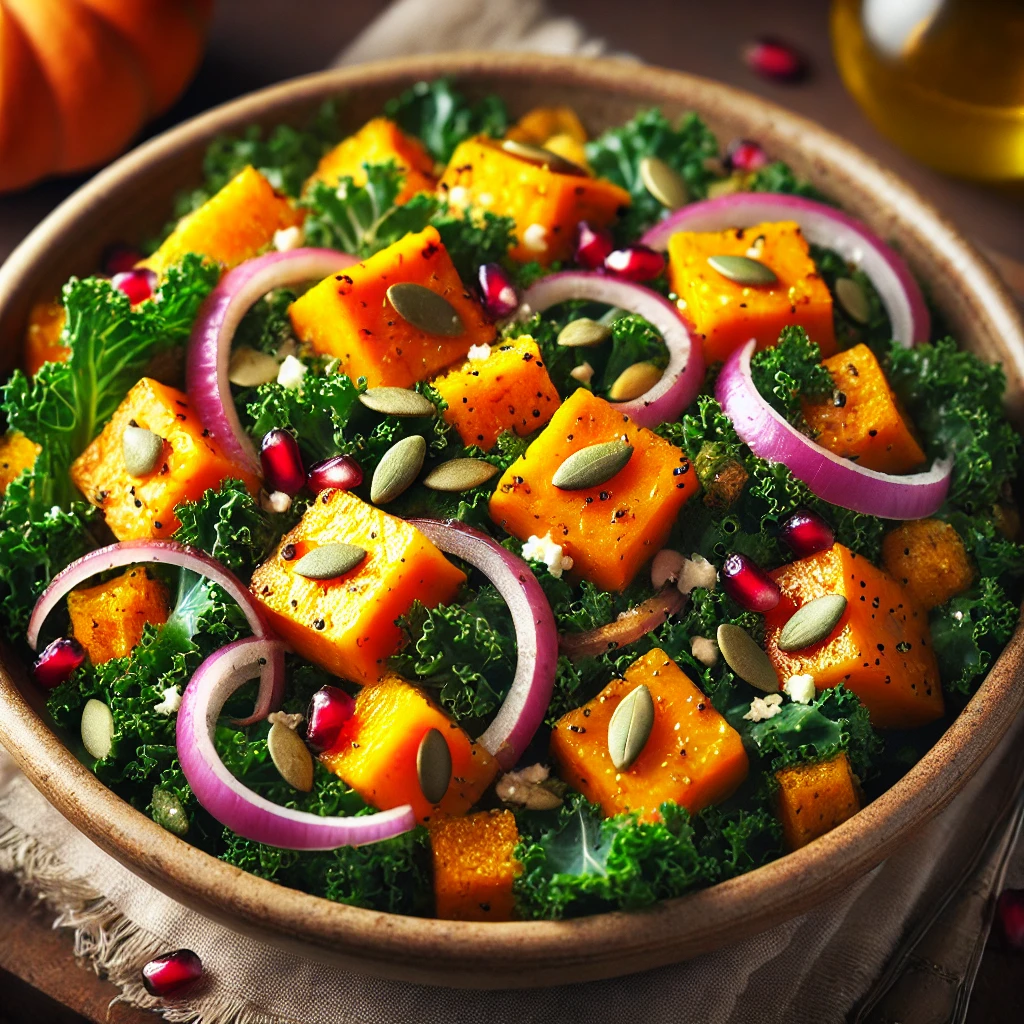
To maximize your intake of Vitamin C this fall, consider adding a mix of sweet and savory dishes that highlight seasonal produce. A simple yet nutritious way to do this is with a vibrant roasted butternut squash and kale salad, paired with a zesty citrus vinaigrette. This dish not only bursts with flavor but also delivers a satisfying crunch and a nutritional punch that will leave you feeling fortified.


Roasted Butternut Squash and Kale Salad with Citrus Vinaigrette

Ingredients:

– For the Salad:
– 1 medium butternut squash, peeled and cubed (about 4 cups)
– 2 tablespoons olive oil
– Salt and black pepper to taste
– 6 cups fresh kale, stems removed and leaves torn into bite-sized pieces
– 1 red bell pepper, thinly sliced
– 1 orange, peeled and segmented
– 1/4 cup pomegranate seeds
– 1/4 cup toasted sunflower seeds or pumpkin seeds

– For the Citrus Vinaigrette:
– Juice of 1 large orange (about 1/4 cup)
– Juice of 1 lemon (about 2 tablespoons)
– 1 tablespoon Dijon mustard
– 1 tablespoon honey or maple syrup
– 1/4 cup olive oil
– Salt and black pepper to taste

Instructions:

1. Roast the Butternut Squash:
– Preheat your oven to 400°F (200°C).
– Toss the cubed butternut squash with olive oil, salt, and black pepper, then spread it out in a single layer on a baking sheet.
– Roast for 25-30 minutes, turning halfway through, until the squash is golden brown and tender. Set aside to cool slightly.

2. Prepare the Kale:
– While the squash is roasting, massage the kale with a small amount of olive oil and a pinch of salt. Use your hands to rub the oil into the leaves for about 1-2 minutes. This helps to soften the kale and improve its texture.

3. Make the Citrus Vinaigrette:
– In a small bowl, whisk together the orange juice, lemon juice, Dijon mustard, honey, salt, and pepper. Slowly drizzle in the olive oil while continuing to whisk until the dressing is well combined and slightly thickened.

4. Assemble the Salad:
– In a large serving bowl, combine the massaged kale, roasted butternut squash, red bell pepper slices, orange segments, and pomegranate seeds.
– Drizzle the salad with the citrus vinaigrette and toss gently to combine.

5. Serve:
– Sprinkle the toasted sunflower or pumpkin seeds on top just before serving for added crunch and nutrition.
– Enjoy the salad warm or at room temperature.


Pumpkin: The Star of Fall Cuisine

posted in: Blog, Seasonal Featured Recipes | 0

Pumpkin has long been synonymous with autumn, and it’s easy to see why. As the weather cools and leaves turn vibrant shades of red and gold, pumpkins take center stage, both as a decoration and as a key ingredient in the season’s most beloved dishes. Known for its slightly sweet and earthy flavor, pumpkin lends itself to a variety of culinary applications, from savory soups and risottos to classic pies and sweet treats. Packed with nutrients like beta-carotene, fiber, and vitamin C, it not only enhances the flavors of fall but also contributes to a nutritious diet.

One of the best things about cooking with pumpkin is its versatility. Its soft, tender flesh can be puréed for silky soups, cubed for hearty roasts, or incorporated into rich, creamy risottos. Pumpkin pairs beautifully with traditional fall spices such as cinnamon, nutmeg, and cloves, but it also shines when balanced with savory ingredients like sage, thyme, and garlic. Whether it’s featured in a comforting stew or a delicate pasta dish, pumpkin has an unmatched ability to bring warmth and depth to a meal.

Pumpkin’s rise in fall cuisine is also linked to its cultural significance. From pumpkin-spiced lattes to the festive jack-o’-lanterns adorning front porches, the pumpkin has become an autumn icon. But beyond the commercial trend, there’s something timeless about cooking with pumpkin, especially when it’s freshly harvested. This seasonal bounty invites chefs and home cooks alike to get creative, transforming simple ingredients into dishes that capture the essence of fall.


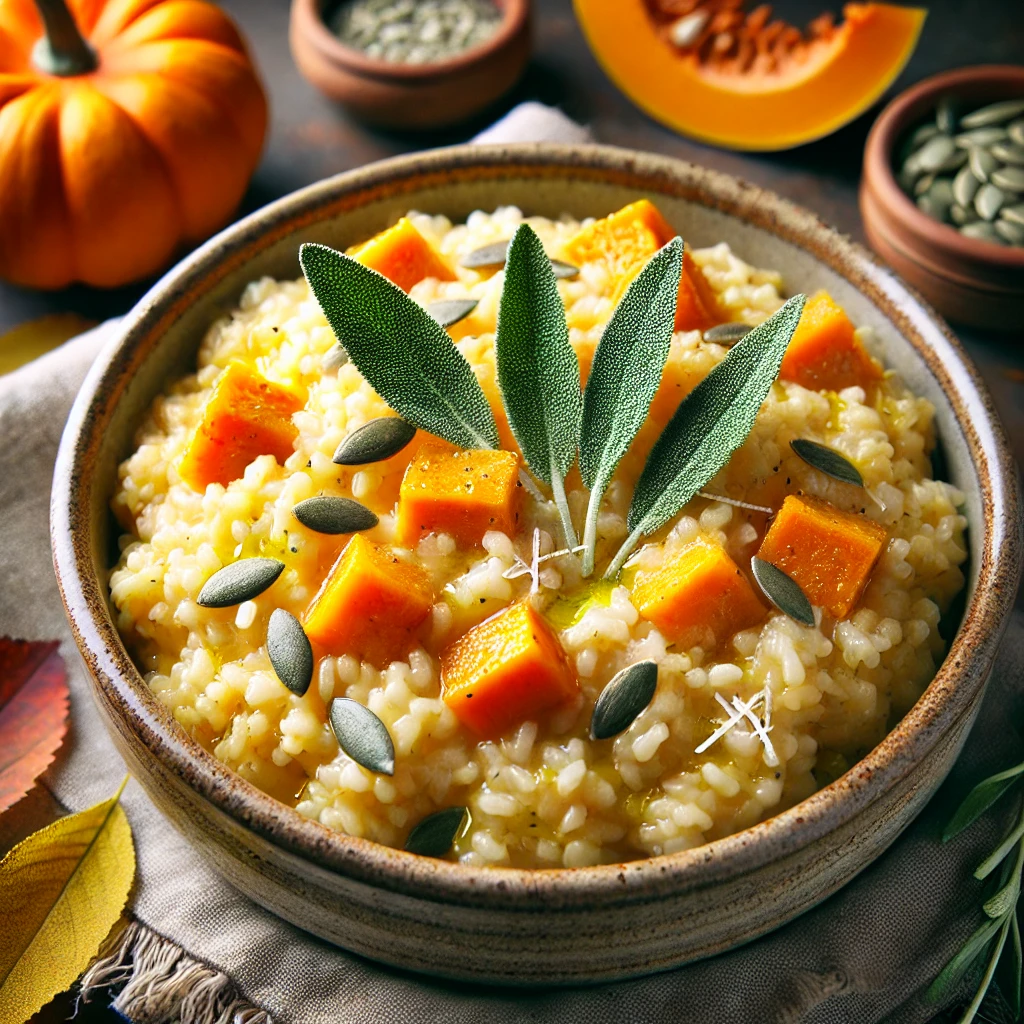
Pumpkin and Sage Risotto

Instructions
1. Heat the vegetable broth in a pot and keep it warm.
2. In a large pan, heat olive oil and 1 tbsp butter over medium heat. Add the onion and garlic, sautéing until softened, about 3-4 minutes.
3. Add the Arborio rice, stirring constantly for 1-2 minutes to toast the grains. Pour in the white wine (if using) and stir until it is absorbed.
4. Begin adding the warm broth one ladle at a time, stirring continuously. Allow each ladleful of broth to be absorbed before adding more.
5. After about 10 minutes of cooking, stir in the diced pumpkin and continue adding broth, cooking until the rice and pumpkin are both tender (about another 10 minutes).
6. Once the rice is cooked through and creamy, remove from heat. Stir in the remaining butter, Parmesan cheese, sage, and nutmeg (if using)—season with salt and pepper to taste.
7. Serve immediately, garnished with pumpkin seeds for added crunch if desired.


Garden Fresh Summer Produce Recipe- Corn, Cherry Tomatoes, Lemon, Garlic with Dill Fettuccini & Dungenss Crab

posted in: Blog, Seasonal Featured Recipes | 0

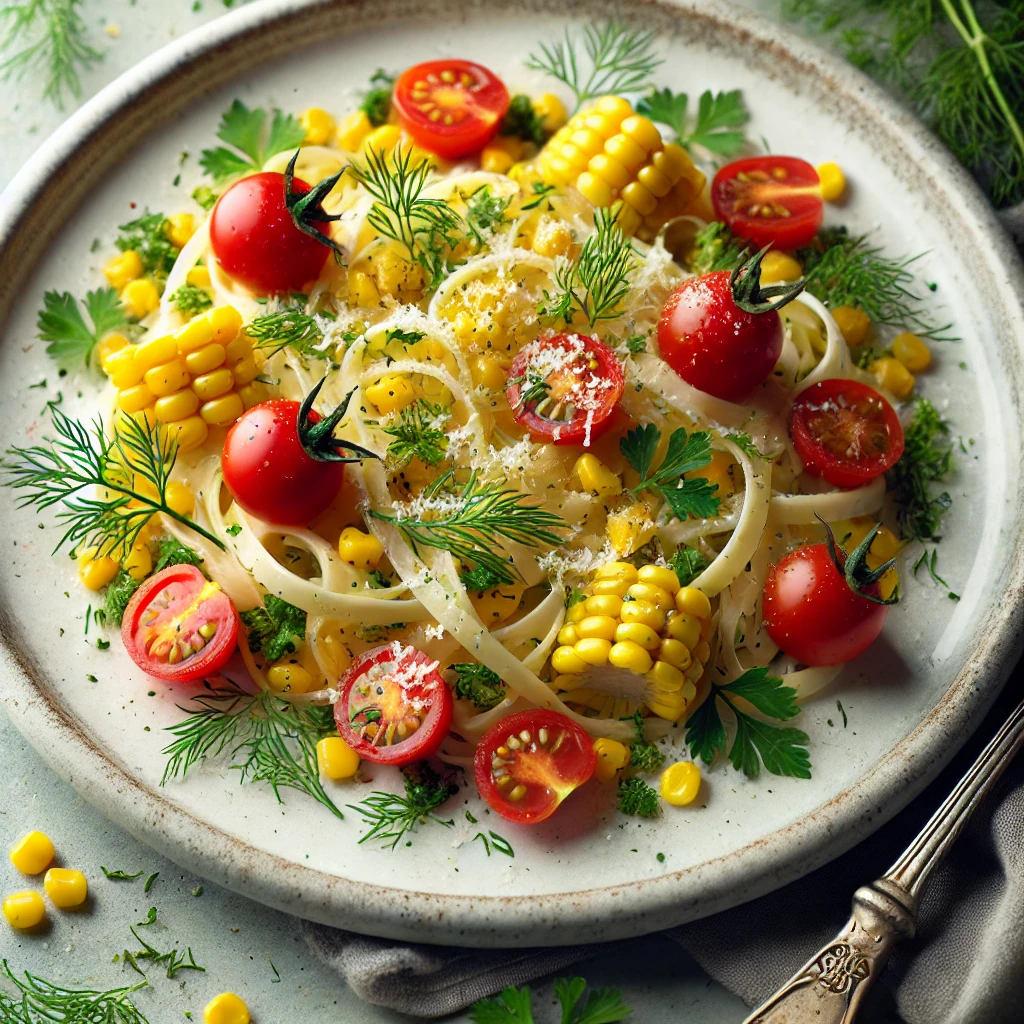
The Summer Fettuccini with Corn, Cherry Tomatoes, and Dill celebrates fresh, seasonal ingredients that thrive in the warm months. This dish draws inspiration from the rich culinary traditions of Mediterranean cuisine, where simple, high-quality ingredients are the stars of the plate. The combination of sweet corn, juicy cherry tomatoes, and fragrant herbs like dill and parsley is a reflection of the season’s bounty, bringing together flavors that are as vibrant as they are harmonious. In this dish, the fettuccini serves as a delicate canvas, allowing the freshness of the vegetables and herbs to truly shine.

Historically, pasta dishes like this one have been staples in regions where the Mediterranean diet prevails, a diet that has been praised for its health benefits and emphasis on whole foods. In many Italian villages, the end of summer is marked by communal meals featuring the last harvest of the season’s tomatoes, corn, and herbs. This particular dish, while simple, carries with it a sense of tradition and community, where the ingredients are sourced from local gardens and farmers’ markets, ensuring that each bite is packed with the freshness and nutrition that only seasonal produce can offer.

The seasonality of this dish is its defining feature, making it a perfect choice for those looking to eat in harmony with nature’s cycles. Corn, at its peak during the summer months, brings a natural sweetness that pairs beautifully with the acidity of the cherry tomatoes and the aromatic herbs. The addition of dill and parsley not only enhances the flavor but also provides a boost of antioxidants and essential vitamins, making this dish not only delicious but also nourishing. As a certified nutrition and wellness consultant, I believe in the power of seasonal eating, and this Summer Fettuccini is a perfect example of how embracing the seasons can lead to meals that are both healthy and satisfying.

Corn, Cherry Tomatoes, Lemon, Garlic with Dill Fettuccini & Dungeness Crab

Serves 2

Ingredients:

• Fettuccini: 6 oz
• Olive oil: 2 tablespoons
• Garlic: 2 cloves, minced
• Fresh corn: 1 ear (about 1 cup kernels)
• Cherry tomatoes: 1 cup, halved
• Fresh dill: 2 tablespoons, chopped
• Fresh parsley: 2 tablespoons, chopped
• Lemon zest: 1 teaspoon
• Lemon juice: 1 tablespoon
• Parmesan cheese: ¼ cup, grated
• Salt: ½ teaspoon (or to taste)
• Black pepper: ¼ teaspoon (or to taste)
• Red pepper flakes: 1/8 teaspoon (optional, for a bit of heat)

Instructions:

1. Cook the Fettuccini:
Bring a large pot of salted water to a boil. Add the fettuccini and cook according to the package instructions until al dente. Reserve ½ cup of pasta water, then drain the pasta.

2. Prepare the Vegetables:
While the pasta cooks, heat 1 tablespoon of olive oil in a large skillet over medium heat.
Add the minced garlic and sauté until fragrant, about 1 minute.
Add the corn kernels and cook for 3-4 minutes, until they start to soften.
Add the cherry tomatoes and cook for another 2 minutes until they just begin to soften but still hold their shape.

3. Combine and Finish:
Add the cooked fettuccini to the skillet with the vegetables.
Stir in the remaining 1 tablespoon of olive oil, lemon zest, lemon juice, dill, parsley, Parmesan cheese, salt, black pepper, and red pepper flakes (if using).
Toss everything together, adding reserved pasta water a little at a time until the sauce reaches your desired consistency.

4. Serve:
Divide the pasta between two plates, and garnish with extra dill, parsley, and a sprinkle of Parmesan cheese if desired.
Serve immediately.

Nutritional Information (per serving):
Calories: Approximately 450 kcal
Protein:13g
Carbohydrates:58g
Fat:18g
Fiber: 4g
Sugar:6g
Sodium:450mg


Mango-Coconut Chia Pudding

posted in: Blog, Nutrition Tips and Recipes | 0

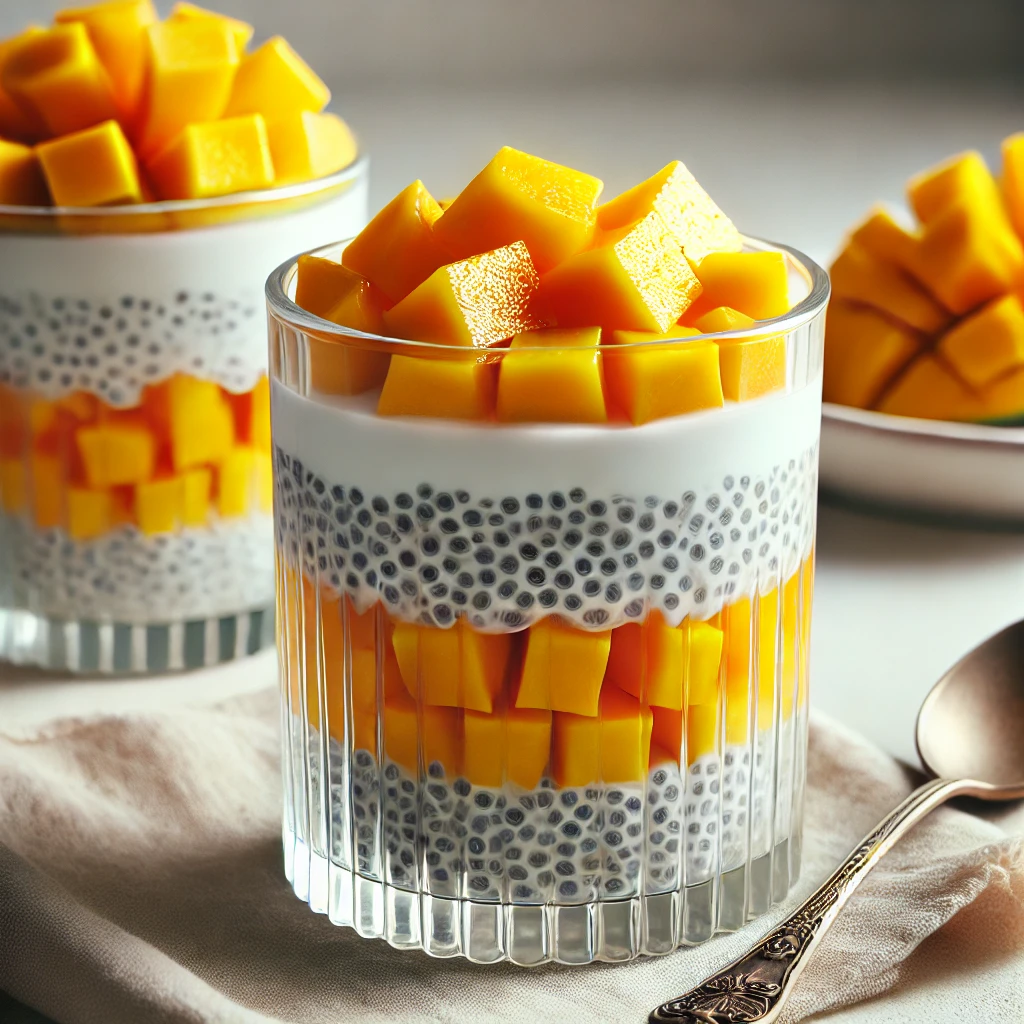
The Mango-Coconut Chia Pudding is a simple yet delightful treat that embodies the essence of tropical flavors while being gentle on the digestive system. The creamy coconut milk paired with the crunchy chia seeds creates a satisfying texture, while the ripe mango adds a burst of natural sweetness. This recipe is not only delicious but also packed with nutrients, making it a perfect choice for those looking to enjoy a dessert that’s both indulgent and health-conscious. The chia seeds provide a good source of fiber and omega-3 fatty acids, supporting gut health, while the coconut milk offers healthy fats that are easy on the stomach.

Originally intended for the dessert section of Chef Ken’s book, *Comfort and Healing for Gastritis Management, Nutrition-Packed Recipes for Gut Wellness*, this recipe was crafted to offer a soothing and nourishing option for those managing digestive issues. Although it didn’t make it into the final publication due to its similarity to another recipe, it remains a favorite for its simplicity and the way it encapsulates the book’s focus on comfort and healing through food. Whether enjoyed as a breakfast treat or a light dessert, this Mango-Coconut Chia Pudding is a reminder that healthy eating can also be deliciously satisfying.

If you know someone who might need some Comfort and Healing here is the link to Chef Ken’s book.


Mango-Coconut Chia Pudding

Serves 2

Ingredients
• ¼ cup chia seeds
• 1 cup coconut milk
• 1 ripe mango
• 1 Tablespoon maple syrup

Instructions
1. Mix chia seeds and coconut milk. Allow the mixture to sit for 10 minutes.
2. Layer with diced mango in a glass
3. Drizzled with maple syrup.